




Special Collections:
Biodiversity
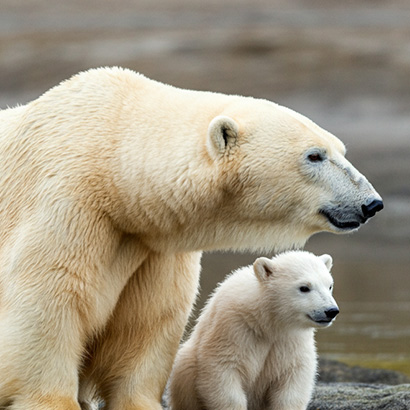

Feeling anxious about climate change can lead to overwhelm and shutdown, a concept environmental psychologist Dr. Renee Lertzman calls our "window of tolerance." Exceeding this threshold can immobilize us, preventing effective engagement.
Dr. Lertzman's unique approach integrates behavioral, social, and design sciences. She offers psychological tools to acknowledge these anxieties, creating conditions that empower individuals to move past immobilization and contribute their brilliant selves to social change.

A Pew Research Center survey indicates that while highly religious Americans generally express less concern about climate change, young religious adults—including evangelicals under 30—are significantly more likely to acknowledge human-caused global warming and its severity. Across U.S. college campuses, various religious groups (Christian, Jewish, Muslim) are now advocating for collective action to reduce carbon emissions.
On April 26, 2023, a panel featured young Americans from diverse religious backgrounds. They discussed how their faith informs campus activism, shared their evolving perspectives, and explored their impact – or hoped-for impact – on older generations within and beyond their traditions.

Carbon pricing is rapidly advancing worldwide, with significant developments like the EU’s Carbon Border Adjustment Mechanism (CBAM) and new initiatives in Canada and Mexico. CCL Policy Fellow Dr. Danny Richter will provide a global overview, highlighting how America’s trading partners are using carbon pricing to cut pollution, level the playing field, and drive clean innovation.
Understanding these international trends is crucial for U.S. policy, especially as border adjustments and carbon efficiency become central. This session equips policy advocates with the global context and talking points needed to champion smart, fair carbon policy at home.

Achieving net-zero goals requires significant private sector support. This talk explores securing corporate buy-in for a broad carbon tax, ensuring workers have sufficient green skills, and addressing concerns that climate initiatives might undermine business competitiveness.
Jamus Lim, an associate professor of economics at ESSEC Asia Pacific and a Member of Singapore's 14th Parliament, leads this discussion. He brings extensive experience from senior economist roles at the World Bank and Abu Dhabi Investment Authority, and as chief economist for ThirdRock Group. His expertise spans international macro-finance, political economy, and development economics.
This talk was given at a TEDx event. Learn more at https://www.ted.com/tedx.

Nature-based solutions (NbS) offer multiple benefits for business, nature, and people, yet their adoption by companies to meet climate goals and mitigate risks remains limited. Increased corporate engagement across value chains is crucial for achieving a net-zero, nature-positive world.
CISL acknowledges the challenges companies face in adopting NbS, particularly in quantifying benefits for initial projects like regenerative agriculture. To address this, CISL, with support from the We Mean Business Coalition, launched a diagnostic tool in March 2022 to help unlock NbS investments within value chains.
An upcoming webinar, part of CISL’s project to support business to #GetNBSready, will explore progress on nature-positive ambitions, discuss implementation challenges, and demonstrate how this tool can assist companies.
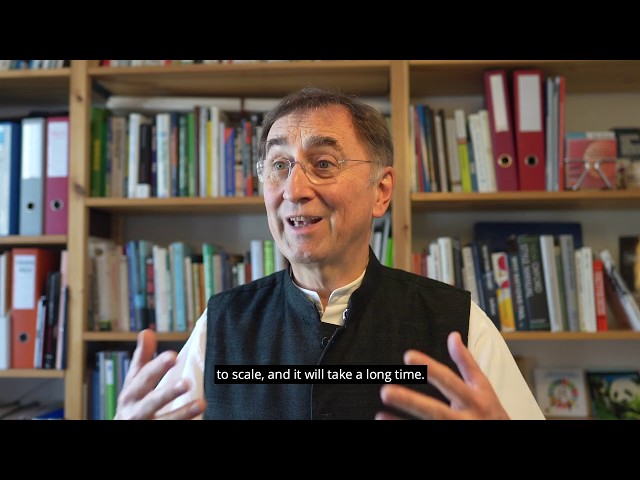
Carnegie Climate Governance Initiative (C2G) Executive Director Janos Pasztor discusses Carbon Dioxide Removal (CDR) and the critical need for its governance.
C2G aims to catalyze effective governance for climate-altering technologies, specifically Solar Radiation Modification and large-scale CDR. C2G remains impartial, emphasizing that society must ultimately decide on the use of these interventions.
To learn more about CDR governance, visit c2g2.net/carbon-dioxide-removal/.

Introducing the keynote "Sustainable is the New Profitable. Green is the New Digital," this video highlights decarbonizing our economy as the decade's biggest challenge and opportunity. Accelerated by the Corona crisis, this shift will bring inevitable carbon taxes and the end of fossil fuel subsidies. The circular economy will be paramount by 2030.
Companies and individuals must understand and adapt to this tectonic move towards sustainability to thrive, or risk obsolescence. Learn how to prosper in this era. Get the free '10 Megashifts' guide at futuristgerd.com/megashifts. Subscribe to the newsletter at gerd.digital, or explore my book 'Technology vs Humanity' at techvshuman.com. More insights are available at futuristgerd.com.

Watch "The Power of Big Oil Part Two: Doubt," a FRONTLINE documentary. This episode is part of a three-part series.
It investigates the fossil fuel industry's historical efforts to sow doubt and impede action on climate change.
Environmental Scientist and Advocate
What EarthSayers stands for
Discover Diverse Voices on EarthSayers
Unlike algorithm-driven platforms that push you into a content bubble, we ensure you hear a variety of perspectives from scientists, activists, Indigenous leaders, business innovators, and everyday citizens working toward sustainability.
EarthSayers CINEMA
Watch, learn and lead—sustainability starts with you.
The Thinking Game | Full documentary | Tribeca Film Festival official selection
“The Thinking Game” is the inside story of DeepMind's groundbreaking AI research, culminating in the Nobel Prize-winning AlphaFold breakthrough. Filmed over five years by the award-winning team behind "AlphaGo," this documentary explores co-founder Demis Hassabis's lifelong pursuit of artificial general intelligence and the rigorous scientific journey from mastering strategy games to solving the 50-year-old protein folding problem.
Following its world premiere at the Tribeca Festival, "The Thinking Game" is now available to watch for free. For those interested in hosting a screening for a classroom, community, or workplace, visit: rocofilms.com/films/the-thinking-game/.


