




Special Collections:
Life on Earth
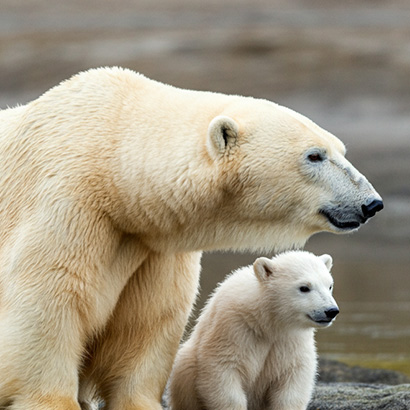

Welcome to BBC Earth, your destination for 50 years of captivating natural history content. Discover dramatic, rare, and exclusive stories showcasing our planet's beauty and wonder. Subscribe for more amazing videos [here](http://bit.ly/BBCEarthSub) and sign up for our [newsletter](https://www.bbcearth.com/newsletter) for the latest updates.
Explore a vast library, including the best of BBC Earth, thrilling animal fights, and full episodes from iconic series like Planet Earth III, Frozen Planet II, and Blue Planet II in 4K. This is a commercial page from BBC Studios; for service information and feedback, visit [BBC Studios](http://bbcworldwide.com/vod-feedback--contact-details.aspx).

Welcome to BBC Earth, your destination for 50 years of captivating natural history. Discover amazing stories, beauty, and natural wonder. Subscribe for more content and sign up for our [newsletter](https://www.bbcearth.com/newsletter) to stay updated. [Subscribe here](http://bit.ly/BBCEarthSub).
Explore dramatic, rare, and exclusive nature content. Watch the [Best of BBC Earth](https://bit.ly/BestOfBBCEarth), thrilling [Animal Fights](https://bit.ly/BestAnimalFights), or full series like [Planet Earth III](https://bit.ly/PlanetEarthIIIPlaylist), [Frozen Planet II](https://bit.ly/FrozenPlanetIIPlaylist), and [Blue Planet II in 4K](https://bit.ly/BluePlanetII4kPlaylist). We also offer [videos over 10 minutes](https://bit.ly/3SHJCEJ).
This is a commercial page from BBC Studios. For service information and feedback, visit our [contact details page](http://bbcworldwide.com/vod-feedback--contact-details.aspx).

Welcome to BBC Earth, your home for 50 years of captivating natural history. Discover dramatic, rare, and exclusive stories of beauty and natural wonder. Subscribe here and sign up for our newsletter to stay updated.
Explore a vast library of content, including the Best of BBC Earth, Best Animal Fights, and full series like Planet Earth III, Frozen Planet II, and Blue Planet II in 4K.
This is a commercial page from BBC Studios. For service information and feedback, please visit: bbcworldwide.com/vod-feedback.

Welcome to BBC Earth, your home for 50 years of captivating natural history content. Discover amazing stories, beauty, and natural wonders. [Subscribe](http://bit.ly/BBCEarthSub) for dramatic, rare, and exclusive nature videos, and [sign up to our newsletter](https://www.bbcearth.com/newsletter) for the latest updates.
Explore more content, including the [Best of BBC Earth](https://bit.ly/BestOfBBCEarth), [Best Animal Fights](https://bit.ly/BestAnimalFights), [Videos over 10 minutes](https://bit.ly/3SHJCEJ), and playlists for [Planet Earth III](https://bit.ly/PlanetEarthIIIPlaylist), [Frozen Planet II](https://bit.ly/FrozenPlanetIIPlaylist), and [Blue Planet II in 4K](https://bit.ly/BluePlanetII4kPlaylist).
This is a commercial page from BBC Studios. For service information and feedback, please visit [our contact page](http://bbcworldwide.com/vod-feedback--contact-details.aspx).

Discover incredible otter moments, from learning to swim to parents teaching their cubs to hunt. Welcome to BBC Earth, your source for 50 years of entertaining and thought-provoking natural history content, showcasing the world's beauty and natural wonder.
Subscribe to BBC Earth for more amazing wildlife stories, and sign up for our newsletter for the latest updates. Explore popular playlists like Best of BBC Earth, Planet Earth III, and Frozen Planet II. For service information, visit bbcworldwide.com/vod-feedback--contact-details.aspx.

California's iconic redwoods are at risk from a Highway 101 expansion. This project threatens to cut into the essential root systems of ancient trees on the North Coast, leading to their weakening, decline, and death. With less than 5% of original redwood forests remaining, these vital ecosystems cannot recover once damaged.
Governor Gavin Newsom has the authority to stop this plan. Urge him to protect these irreplaceable redwoods before it's too late. Act Now.

Witness the remarkable precision and creativity of dolphins hunting in Western Australia's shallows, as featured on Planet Earth. BBC Earth offers 50 years of entertaining and thought-provoking natural history content, showcasing the world's amazing stories, beauty, and natural wonders.
Subscribe to BBC Earth for more dramatic, rare, and exclusive nature content: http://bit.ly/BBCEarthSub. Sign up for our newsletter at https://www.bbcearth.com/newsletter, and explore playlists like Best of BBC Earth, Planet Earth III, and Blue Planet II in 4K.
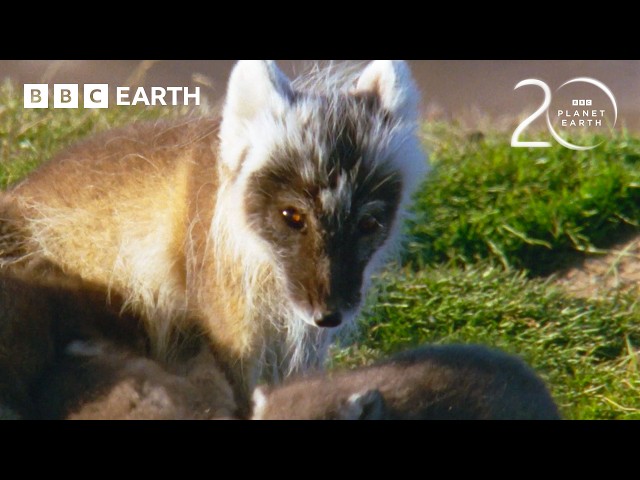
Celebrate 20 years of Planet Earth! Relive iconic moments from the groundbreaking series. Discover more about this milestone and the show's legacy by visiting [bbcearth.com/shows/planet-earth](https://www.bbcearth.com/shows/planet-earth).
Welcome to BBC Earth, your destination for 50 years of captivating natural history content. Subscribe for more amazing stories [here](http://bit.ly/BBCEarthSub) and get updates via our [newsletter](https://www.bbcearth.com/newsletter). Explore other series like Planet Earth III and Blue Planet II, or find the best of BBC Earth [here](https://bit.ly/BestOfBBCEarth).

This weekly roundup shares environmental news and our work to protect wildlife and wild places. We address critical issues and celebrate our successes.
We are actively winning cases, upholding the Endangered Species Act, and protecting wildlife against destructive projects and new threats. These vital fights unfold in our forests, rivers, and communities—our founding purpose.
Follow our progress, stay informed, and share. Join our fight for the wild at biodiv.us/join.

Witness a polar bear family emerge after four months of darkness, celebrating 20 years of Planet Earth. Discover more about this milestone and incredible natural history content on the [BBC Earth website](https://www.bbcearth.com/shows/planet-earth).
Subscribe to [BBC Earth](http://bit.ly/BBCEarthSub) for 50 years of dramatic, rare, and exclusive natural history. Sign up for our [newsletter](https://www.bbcearth.com/newsletter) for updates, and explore more content like [Planet Earth III](https://bit.ly/PlanetEarthIIIPlaylist) and [Frozen Planet II](https://bit.ly/FrozenPlanetIIPlaylist). Nature doesn't get more exciting than this.

Tune in for live updates on the "Alligator Alcatraz Case" from the Center's Florida and Caribbean Director. Get the latest on the lawsuit to protect Big Cypress National Preserve.
The Center for Biological Diversity, Friends of the Everglades, Earthjustice, and the Miccosukee Tribe sued the U.S. Department of Homeland Security and other agencies to halt a project impacting the Everglades. This vital ecosystem, designated an endangered UNESCO World Heritage site in 2010, is the Western Hemisphere's largest mangrove system and a critical bird breeding ground.
Read our most recent press release: Florida Banked on $1.4 Billion in Federal Funds for Everglades Detention Center

Life along the Ganges presents a delicate balance: humans face predator risks while animals search for food. This creates a constant interplay between human and wildlife survival.
Discover more captivating natural history content from BBC Earth, featuring dramatic and exclusive stories. Subscribe [here](http://bit.ly/BBCEarthSub) and sign up for our newsletter [here](https://www.bbcearth.com/newsletter).
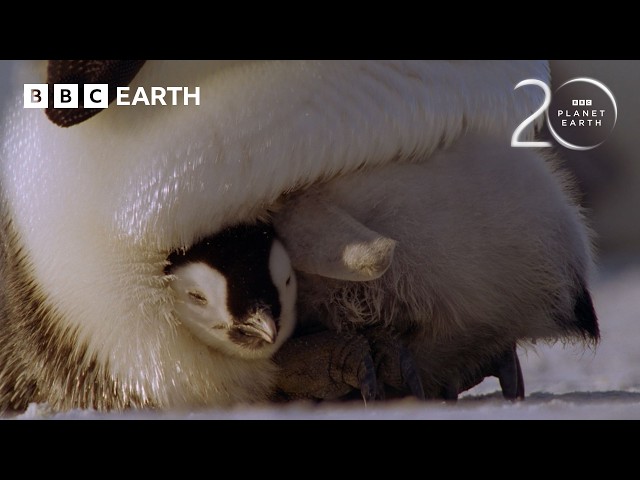
Penguin parents demonstrate extraordinary effort raising their young amidst the extreme and harsh conditions of the Antarctic.
Celebrate 20 years of Planet Earth and delve into 50 years of captivating natural history content from BBC Earth. Discover dramatic, rare, and exclusive stories from our amazing world. Explore more at bbcearth.com/shows/planet-earth.
Subscribe to BBC Earth for incredible nature content: bit.ly/BBCEarthSub. Sign up for our newsletter for the latest updates and exclusives: bbcearth.com/newsletter.

Join Sir David Attenborough for two hours of superb wildlife moments, from marine iguanas attacked by snakes to an underwater feeding frenzy. Welcome to BBC Earth, home to 50 years of dramatic, rare, and exclusive natural history content, exploring the world's beauty and wonder.
Subscribe to BBC Earth for more incredible content via http://bit.ly/BBCEarthSub, and sign up for our newsletter at https://www.bbcearth.com/newsletter. Discover captivating series like Planet Earth III, Frozen Planet II, and Blue Planet II in 4K.
This is a commercial page from BBC Studios. For service information and feedback, visit http://bbcworldwide.com/vod-feedback--contact-details.aspx.

Welcome to BBC Earth, your home for 50 years of captivating natural history. Discover the world's beauty and wonder, from the forests of New Guinea to dramatic wildlife encounters. Celebrate 20 years of Planet Earth and explore more incredible stories.
Subscribe and sign up for our newsletter for the latest news and exclusives. Explore playlists like Best of BBC Earth, Planet Earth III, Frozen Planet II, and Blue Planet II in 4K.
This is a commercial page from BBC Studios. For service information and feedback, please visit our contact page.

Step inside the wild with our 360-degree immersive documentary, "Big Cats 24/7 Series Two," and experience life among stealthy predators. Filmed in the heart of big cat country, find out where to watch this captivating series in your region [here](https://www.bbcearth.com/shows/big-cats-247-series-two).
Welcome to BBC Earth, your home for 50 years of entertaining and thought-provoking natural history content. Discover dramatic, rare, and exclusive nature stories. Subscribe [here](http://bit.ly/BBCEarthSub) and sign up for our [newsletter](https://www.bbcearth.com/newsletter) for the latest updates.
This is a commercial page from BBC Studios. For service information and feedback, visit [here](http://bbcworldwide.com/vod-feedback--contact-details.aspx).

Witness a dramatic close-up: will a snow leopard capture its markhor prey? This intense moment celebrates 20 years of Planet Earth, featuring David Attenborough.
For more groundbreaking natural history content and to celebrate two decades of Planet Earth, visit: bbcearth.com/shows/planet-earth. Subscribe to BBC Earth for captivating stories and natural wonders: bit.ly/BBCEarthSub, or sign up for our newsletter: bbcearth.com/newsletter. Discover 50 years of dramatic, rare, and exclusive content.

Watch extraordinary predators, from a land-dwelling octopus to a spider with three superpowers, as they hunt their prey. Welcome to BBC Earth, your source for 50 years of dramatic, rare, and exclusive natural history content.
Subscribe for more incredible wildlife documentaries and 4K videos: BBCEarthSub. Sign up for our newsletter: BBC Earth Newsletter. Explore our best content, including Planet Earth III, Frozen Planet II, and Blue Planet II in 4K. For service information and feedback, visit: BBC Worldwide Feedback.

Welcome to BBC Earth, your home for 50 years of captivating natural history. Discover dramatic, rare, and exclusive stories showcasing the world's beauty and wonder.
Celebrate 20 years of Planet Earth by visiting the official webpage. Subscribe for more incredible content and sign up for our newsletter to receive the latest updates and exclusives. Explore our diverse playlists, including Best of BBC Earth and Planet Earth III.
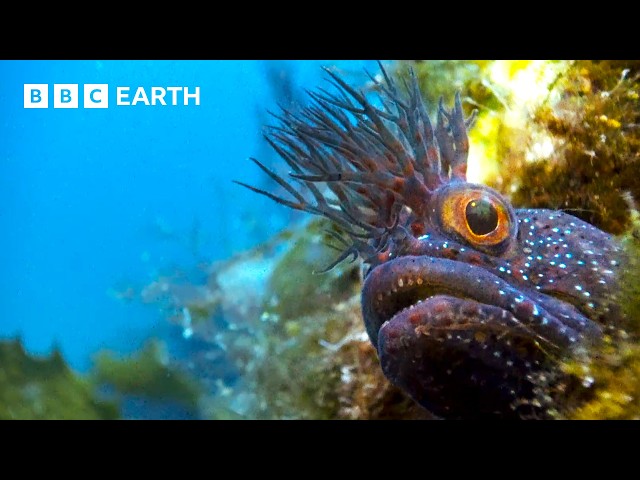
Join Sir David Attenborough as he narrates extraordinary scenes from the natural world, from deep-sea creatures to struggling frog parents. BBC Earth presents 50 years of dramatic, rare, and exclusive natural history content, revealing the planet's amazing stories and wonders.
Subscribe to BBC Earth: http://bit.ly/BBCEarthSub. Sign up for our newsletter: https://www.bbcearth.com/newsletter. Explore more captivating documentaries, including *Planet Earth III* and *Blue Planet II in 4K*. This is a commercial page from BBC Studios; for feedback, visit http://bbcworldwide.com/vod-feedback--contact-details.aspx.
Environmental Scientist and Advocate
What EarthSayers stands for
Discover Diverse Voices on EarthSayers
Unlike algorithm-driven platforms that push you into a content bubble, we ensure you hear a variety of perspectives from scientists, activists, Indigenous leaders, business innovators, and everyday citizens working toward sustainability.
EarthSayers CINEMA
Watch, learn and lead—sustainability starts with you.
How to Live on Earth | Feature Documentary | Presented by Benedict Cumberbatch
What if the solutions to building a better future already exist? How to Live on Earth is an ambitious documentary that explores how humanity can create a thriving future by collaborating with nature. Presented by Benedict Cumberbatch, the film reveals the potential of teaming up with nature to address our greatest challenges.
Heartwarming and energizing, it offers a hopeful vision for a future where both nature and humanity can thrive. How to Live on Earth is produced by Open Planet Studios in association with Villars Institute Foundation and Silvania. Join the conversation by downloading film assets and sharing your reaction at howtoliveonearth.net/social-toolkit. Explore educational resources from the Villars Institute at YouTube.


