




Special Collections:
The Future: Our Kids
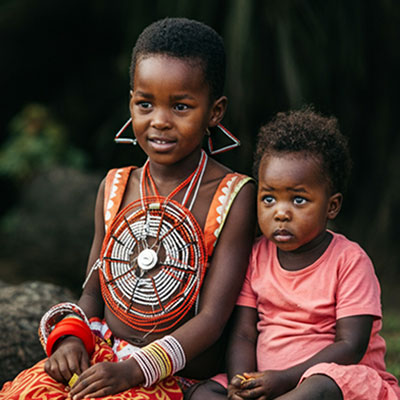

On September 23, WECAN hosted the event "Women Building a Resilient World: Implementing a Just Transition and Fossil Fuel Phaseout" during New York Climate Week. The discussions focused on women's leadership in the fossil fuel phaseout, community-led solutions, ecosystem protection, and ensuring women's voices in decision-making.
Speakers included Ambassador Ilana Seid, Casey Camp-Horinek, Tzeporah Berman, Eriel Tchekwie Deranger, Jacqueline Patterson, Patricia Gualinga, Sharon Lewis, Senator Sandra Chindoy, Larissa Baldwin-Roberts, and Bridget Burns, with moderation by Osprey Orielle Lake. Their insights emphasized the importance of traditional knowledge, dismantling false solutions, and strengthening feminist economies.

Our future is at risk as fossil fuels drive humanity towards extinction and exacerbate social injustices and climate crises. To create a livable planet and foster a just, resilient future, we need transformative systemic change.
Despite inadequate climate action from high-polluting governments and corporations, Indigenous and frontline women leaders are rising to the challenge, turning grief into action. The Women’s Earth and Climate Action Network (WECAN) is releasing a video ahead of COP31, emphasizing the need for a Just Energy Transition and highlighting women-led climate solutions. WECAN advocates for Indigenous rights, community-led initiatives, and women’s leadership in decision-making. Learn more about WECAN’s advocacy at the United Nations and Global Policy Forums.

In August, the Bullard Center's Rapid Response Team convened experts nationwide in the Shiloh community to assess the impacts of flooding. This collaboration linked local experiences with specialized knowledge in ecology, engineering, and social work.
By exploring flooding and potential solutions from a community perspective, the visit aims to inform and enhance Shiloh's post-flooding agenda.


International Programs Director Kellie is reaching out for support for Earth Guardians' youth-led restoration efforts in Togo. Partnering with @maearthstudio, we encourage you to spread the word.
The Tagba Community Forest needs our assistance, and you can help by donating just $1 before July 21, 2026. Every contribution counts!

Our Executive Director, Emmy, has an important message for you! Join us in supporting EG restoration projects.
Partnering with @maearthstudio, we aim to make a difference in forest restoration efforts in Togo. #earthguardians #togo #forest #restoration

On Saturday, April 25, 2026, the Robert D. Bullard Center for Environmental and Climate Justice at Texas Southern University marked a historic milestone with its Inaugural Bullard Center Gala!
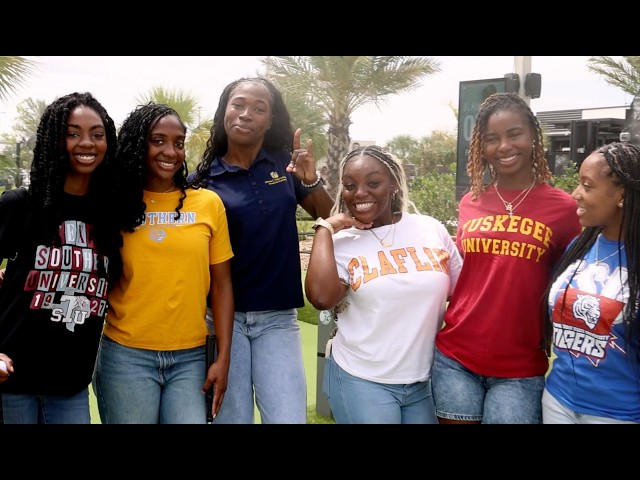
This video highlights five weeks of intensive action, education, and community engagement. Twenty students from 15 HBCUs participated in hands-on field trips exploring environmental impacts, late-night research sessions, and inspiring masterclasses led by expert keynote speakers.
These students are preparing to drive transformative change. Check out their journey!

Even future Environmental Justice and climate champions have their lighthearted moments. Go behind the scenes to see the unscripted laughs and bloopers from their profile interviews.
These candid, behind-the-camera moments offer a refreshing look at the champions, proving everyone needs a "take two" sometimes.

Danae Gibson is an Environmental Science and Pre-Med student at Florida Agricultural & Mechanical University.
Her unique global perspective, shaped by living across three continents and all four major American time zones, enriches her academic and professional journey.

Betty Rivers is an Agribusiness student at Tuskegee University and an avid traveler.
She explores new destinations, collecting snow globes from each unique place she visits, a hobby that beautifully reflects her passion.
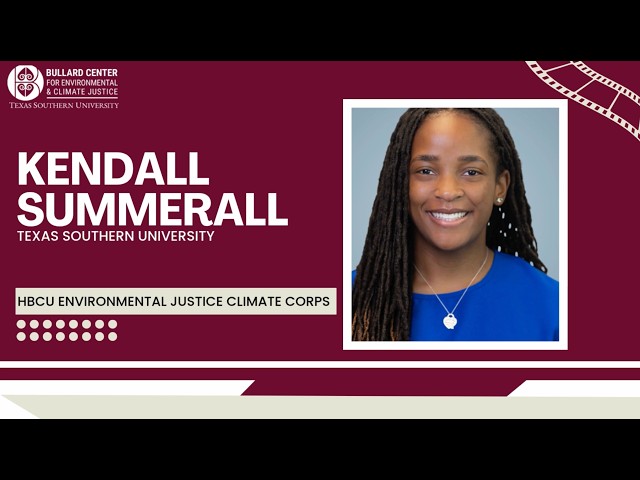
Kendall Summerall is a Psychology major at Texas Southern University, minoring in Sports Management. Her academic interests focus on human behavior and sports.
Beyond her studies, Kendall also brings a creative background, having previously played the violin.
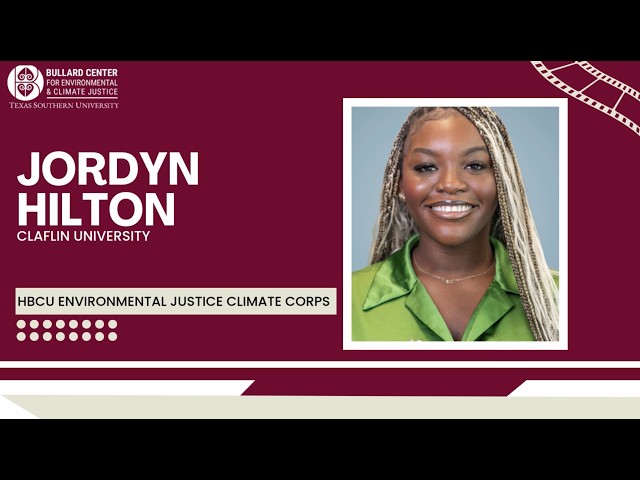
Jordyn Hilton, a Biology major at Claflin University, is actively involved in campus life. She recently became an initiate of Delta Sigma Theta Sorority, Incorporated.
Her dedication was also recognized through the prestigious honor of serving as Claflin University's Miss Homecoming 2025.
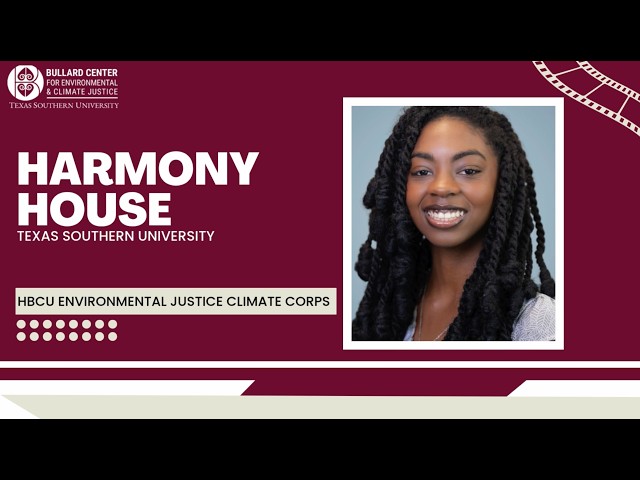
Harmony House is currently studying Environmental Health at Texas Southern University.
She also possesses a strong musical background, having played the trombone for seven years and performed as a member of a jazz band.

Grant Gault is an Applied Physics Dual Degree Agricultural Engineering major at Morehouse College.
He is deeply committed to community-focused innovation. His career aspiration is to ensure communities worldwide have reliable access to healthy, affordable food.

Gary McGhee is an Agricultural Economics student at Alcorn State University. Beyond his academic pursuits, he is an avid outdoor and sports enthusiast.
He enjoys spending his free time fishing and following various athletic events.

Gabriella Coburn-El is a Mass Communications major at Xavier University and a dedicated cinephile. She has a deep passion for cinema, particularly major film franchises like *The Terminator* and *Mission Impossible*.
On a lighter note, she is not a fan of tomatoes.

Dion Johnson is an Aviation Science Management student at Texas Southern University, driven by a profound passion for aviation. Outside of his studies, he is also a dedicated car enthusiast and fitness advocate.
Dion possesses a strong competitive drive, cultivated through his athletic background. During high school, he was a four-year varsity basketball player and a cross-country runner.

Deven Petties is an Urban and Regional Planning student at Alabama A&M University. Hailing from New Orleans, he developed a natural passion for cooking, influenced by the city's rich culinary culture.
Deven is driven by a deep curiosity to explore new environments, engage with diverse individuals, and continuously embrace fresh, unique experiences.

Tai May is a Chemistry student with a Pre-Med concentration at Texas Southern University.
She demonstrated an early commitment to academics and peer leadership by serving as a Teaching Assistant for an environmental science instructor during her senior year of high school.
Environmental Scientist and Advocate
What EarthSayers stands for
Discover Diverse Voices on EarthSayers
Unlike algorithm-driven platforms that push you into a content bubble, we ensure you hear a variety of perspectives from scientists, activists, Indigenous leaders, business innovators, and everyday citizens working toward sustainability.
EarthSayers CINEMA
Watch, learn and lead—sustainability starts with you.
How to Live on Earth | Feature Documentary | Presented by Benedict Cumberbatch
What if the solutions to building a better future already exist? How to Live on Earth is an ambitious documentary that explores how humanity can create a thriving future by collaborating with nature. Presented by Benedict Cumberbatch, the film reveals the potential of teaming up with nature to address our greatest challenges.
Heartwarming and energizing, it offers a hopeful vision for a future where both nature and humanity can thrive. How to Live on Earth is produced by Open Planet Studios in association with Villars Institute Foundation and Silvania. Join the conversation by downloading film assets and sharing your reaction at howtoliveonearth.net/social-toolkit. Explore educational resources from the Villars Institute at YouTube.


