




Special Collections:
Life on Earth
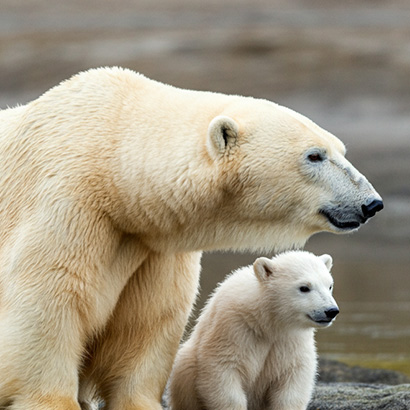

The Center protects endangered species and ecosystems through the dedicated work of its lawyers and scientists. They engage in strategic litigation and rigorous research to challenge harmful policies and inform global conservation efforts.
Stand with thousands whose monthly or one-time donations sustain our vital mission to save wildlife, wild places, and the planet.

Energy Justice Director Jean Su recently discussed the Center for Biological Diversity's petition to FEMA on MSNBC, advocating for crucial disaster relief funding for extreme heat and wildfire smoke. Learn more: https://biodiv.us/4c9b9Y7
The Center for Biological Diversity is a 501c3 nonprofit protecting species and their habitats through science, law, and media, believing human welfare is linked to nature's diversity. We strive for a wild world for future generations. Visit https://www.biologicaldiversity.org/ for more, including action alerts (https://www.biologicaldiversity.org/action/alerts/) and social media links (Twitter: https://x.com/CenterForBioDiv, Facebook: https://www.facebook.com/CenterforBioDiv/, Instagram: https://www.instagram.com/centerforbiodiv). Email inquiries to center@biologicaldiversity.org.

Horseshoe crabs, ancient marine arthropods predating dinosaurs, face sharp decline. Habitat loss and harvesting by the pharmaceutical industry for diagnostic tests — despite existing synthetic alternatives — drive this needless and destructive practice.
The Center for Biological Diversity is fighting for federal Endangered Species Act protection for these creatures. We've also sued Maryland to obtain crucial data on the thousands of crabs killed, bled, or injured annually, which the state currently withholds.
Learn more about our work, watch a mind-blowing video of horseshoe crab eggs hatching, and take action at biologicaldiversity.org.

Center staff recently joined renowned scientist Sebastián Di Martin of ReWilding Argentina to explore historical and occupied jaguar habitat in Arizona and New Mexico. Di Martin's team successfully reintroduced 25 jaguars to Argentina's Iberá, inspiring similar conservation efforts in the U.S. Southwest.
The Center for Biological Diversity is a 501c3 nonprofit dedicated to securing a future for all species by protecting the lands, waters, and climate they need to survive. View recent jaguar footage on [Facebook](https://www.facebook.com/CenterforBioDiv), [Instagram](https://www.instagram.com/centerforbiodiv), or [YouTube](https://www.youtube.com/user/CenterforBioDiv). Learn more at [biologicaldiversity.org](https://www.biologicaldiversity.org/) or contact us at [center@biologicaldiversity.org](mailto:center@biologicaldiversity.org).

The Okefenokee National Wildlife Refuge, a vital biodiversity hotspot and the world's largest intact freshwater ecosystem, faces an existential threat. The proposed Twin Pines titanium mine plans to extract 1.4 million gallons of water daily, endangering its 50 mammal species, dozens of reptiles, 37 amphibian species, and critical migratory bird habitats.
Act now to protect this natural wonder, originally established by President Roosevelt. Sign the Center for Biological Diversity's petition to stop this destructive project: Sign the Petition. The Center, a 501c3 nonprofit, uses science and law to secure a future for all species by protecting essential lands, waters, and climate. Learn more at biologicaldiversity.org.
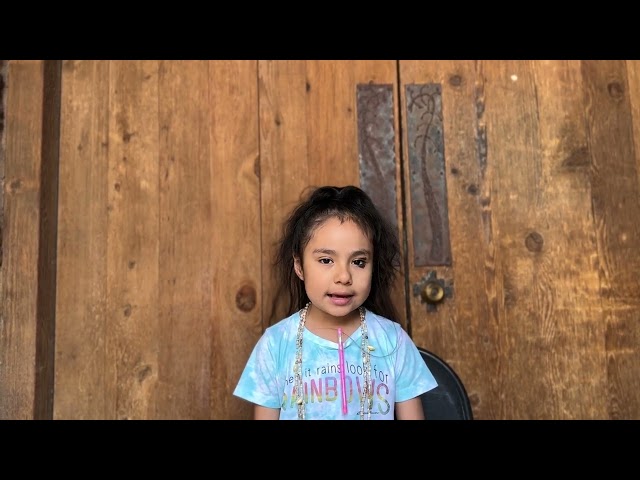
Members of the Tohono O’odham Nation in southern Arizona recently named the newest wild jaguar entering the U.S. from Mexico. They dubbed him O:á¹£had Ñu:kudam, meaning "Jaguar Protector" in the O’odham language. Eight-year-old Kii’yaa’nii Ross, a Yaqui/Diné student who helped promote the naming through the EcoTruths for Indigenous Youth program, highlighted the jaguar's significance.
The Center for Biological Diversity, a 501c3 nonprofit headquartered in Tucson, Arizona, believes human welfare is deeply linked to nature's diversity. We work through science, law, and creative media to protect lands, waters, and climate, securing a future for all species and ensuring a wild world for generations to come.
Find us online: Website | Twitter | Facebook | Instagram | TikTok | Take Action. For questions or media inquiries, email center@biologicaldiversity.org.

Kowaris are small, carnivorous marsupials from Australia's remote stony deserts. These bright-eyed predators, related to Tasmanian devils, face rapid extinction due to habitat degradation and feral cats. Learn more in this video by Arid Recovery.
The Center for Biological Diversity, a Tucson-based 501c3 nonprofit, protects all species and their habitats through science, law, and creative media. We believe human welfare is deeply linked to nature's diversity, striving for a future where wildness thrives.
Connect with us: biologicaldiversity.org | Twitter | Facebook | Instagram | TikTok. Take action or email center@biologicaldiversity.org for inquiries.

For decades, scientists have warned of climate and biodiversity crises stemming from deforestation and fossil fuels, simultaneously developing nature-based solutions. Despite the urgency and available solutions, peer-reviewed climate science, including Dr. Simard's work informing forest climate solutions for western North America, faces widespread efforts to discredit it. Her talk will delve into the recent backlash she has experienced.
This keynote was delivered at the 2024 Bioneers Conference. To view other talks, visit http://www.bioneers.org.
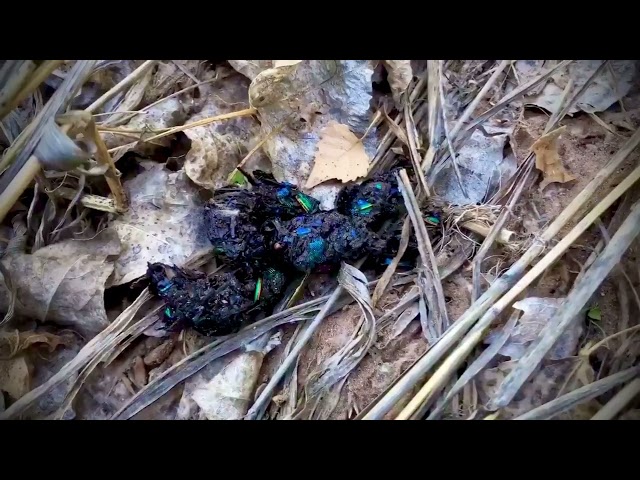
Near the U.S.-Mexico border, a skunk's scat was found "bedazzled" with the shimmering exoskeletons of fiery searcher beetles. Both skunks and these carnivorous insects share a unique defense: strong, musky scent glands.
The Center for Biological Diversity is a Tucson-based 501c3 nonprofit. We believe human welfare is deeply linked to nature's diversity. Through science, law, and creative media, we work to protect species and their habitats, ensuring a wild world for future generations.
Connect with us: Website | Twitter | Facebook | Instagram | TikTok | Take Action. For inquiries, email center@biologicaldiversity.org.

In spring 2024, the Center for Biological Diversity petitioned the Fish and Wildlife Service to protect Wilson's phalaropes under the Endangered Species Act. These dainty shorebirds, known for spectacular congregations at Western salt lakes like Utah's Great Salt Lake, face imminent collapse due to climate change and other human-caused threats.
The Center for Biological Diversity, a Tucson-based 501c3 nonprofit, uses science, law, and media to protect species and their habitats. Believing human welfare is linked to nature's diversity, it works to secure a future for all life.
Visit biologicaldiversity.org for more information and action. Follow us on Twitter, Facebook, Instagram, and TikTok. For media, email center@biologicaldiversity.org.
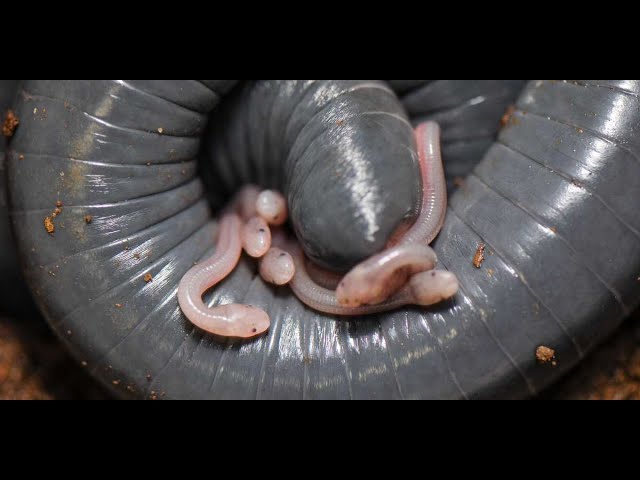
Mammals aren't the only animals feeding their young with bodily secretions. Caecilians, limbless tropical amphibians, have species whose young are born with teeth and feed on their mothers’ skin. These egg-hatched youngsters can also prompt their mothers to eject a high-fat, high-protein substance from their cloacae by making specific clicking noises.
This fascinating discovery highlights the incredible diversity of life. The Center for Biological Diversity, a 501c3 nonprofit, works to secure a future for all species through science, law, and creative media. Learn more about this finding and the Center's mission: Nature Article | Center for Biological Diversity

Under the Trump administration, thousands of ancient saguaros, some over a century old, were bulldozed for the border wall. Many transplanted cacti died within six months. These slow-growing desert sentinels are irreplaceable. Please share this video showing their tragic fate.
The Center for Biological Diversity, a 501c3 nonprofit, works to secure a future for all species by protecting lands, waters, and climate. We use science, law, and media, believing human welfare links to nature's diversity. For details: Fronteras Desk. Learn more and act at our website. Follow us: Twitter, Facebook, Instagram, and TikTok.

The Center for Biological Diversity is actively opposing "California Forever," a proposed 55,000-acre city in Solano County. This development threatens the climate crisis, existing communities, and approximately 130 rare animal and plant species.
Our recent webinar detailed the project's potential impacts on local wildlife, residents, groundwater, air quality, and California's climate commitments. We advocate for smarter land-use policies prioritizing community and environmental health. Explore more: Solano Together, Center's California Forever work, and "The True Cost of Sprawl" report.
The 501c3 nonprofit Center protects species, lands, waters, and climate through science and law. Find us at biologicaldiversity.org or email center@biologicaldiversity.org.

On March 1, 2024, a federal court ruled that a mining giant's proposed destruction of Oak Flat, an Apache holy site in Arizona, would not violate religious freedom laws. Apache Stronghold, supported by the Center, will appeal this 6-5 decision to the Supreme Court. The mine threatens Indigenous First Amendment rights, endangers species like ocelots, consumes vast water resources, and would generate 1.4 billion tons of toxic waste.
We urge you to help us call on Congress to pass a law preserving Oak Flat. Take action here: biodiv.us/49GFbRX. The Center for Biological Diversity, a 501c3 nonprofit, works to secure a future for all species by protecting vital lands, waters, and climate. For more information, visit becketlaw.org/case/apache-stronghold-v-united-states/.

The Center for Biological Diversity advocates for green energy that respects biodiversity and Indigenous cultures. In February 2024, we took significant action in Arizona. We filed an injunction with the Tohono O'odham Nation and San Carlos Apache Tribe to stop wind-power transmission lines damaging sacred sites and the fragile San Pedro River.
We also achieved a major victory with Navajo allies against proposed Black Mesa hydropower projects. These projects threatened aquifers, prehistoric sites, and Mexican spotted owl habitat. This win establishes a new nationwide policy granting Tribes veto power over permits targeting their land. More on this victory: insideclimatenews.org.

The Center for Biological Diversity, a Tucson-based nonprofit, advocates for green energy that respects biodiversity and Indigenous cultures. February 2024 brought key victories in Arizona. An injunction was filed with the Tohono O’odham Nation and San Carlos Apache Tribe to halt wind-power transmission lines damaging sacred sites and the San Pedro River. More: Twitter, ENR.
A significant win with Navajo allies, backed by 7,000 supporters, stopped Black Mesa hydropower projects threatening aquifers, prehistoric sites, and wildlife. This established a nationwide policy granting Tribes veto power over permits on their land. Details: Inside Climate News. As the Center's Russ McSpadden noted, "industrial energy plans are just greenwashing" without community consent.

The Center for Biological Diversity, with 22 ally groups, is petitioning NOAA Fisheries for Endangered Species Act protection of American horseshoe crabs. Their populations have plummeted due to habitat loss and overharvesting for bait and biomedical blood extraction, despite synthetic alternatives. Learn more about our efforts: Endangered Species Act Protections Sought for American Horseshoe Crabs.
As a 501c3 nonprofit, the Center for Biological Diversity uses science, law, and creative media to secure a future for all species. We protect the lands, waters, and climate vital for survival, ensuring a wild world for generations to come.
Visit our website: biologicaldiversity.org or contact us at center@biologicaldiversity.org.

Wallace’s flying frogs employ a unique camouflage strategy: masquerading as bird droppings. Researchers discovered that young froglets, painted to resemble fecal matter with red and white splotches, were attacked half as often by predators as those with solid colors. This "fecal camo" helps these young frogs survive to adulthood, allowing them to grow into the green, web-footed adults found in rainforest canopies.
This fascinating research was highlighted by the Center for Biological Diversity in [Endangered Earth Online](https://www.biologicaldiversity.org/publications/earthonline/endangered-earth-online-no1231.html) and a [Scientific American report](https://www.scientificamerican.com/article/this-flying-frog-spends-its-youth-masquerading-as-poop/). The Center, a 501c3 nonprofit, works to protect diverse wild species through science, law, and creative media, ensuring a future where the wild thrives. Learn more at their [website](https://www.biologicaldiversity.org/).

Thank you for supporting the Center for Biological Diversity, a 501(c)(3) nonprofit dedicated to saving life on Earth. We believe human welfare is deeply linked to nature and biodiversity, and your support makes our vital work possible.
Through science, law, and creative media, we protect species on the brink of extinction by safeguarding their lands, waters, and climate. Our vision is a future where the wild thrives for generations to come. Connect with us online and take action at our website: biologicaldiversity.org. For questions, email us at center@biologicaldiversity.org.

The Endangered Species Act celebrates 50 years as one of the strongest laws for species protection, having saved 99% of those under its care. It has fully recovered species like bald eagles and gray whales, and is more vital than ever with millions facing extinction.
The Center for Biological Diversity is a Tucson-based 501c3 nonprofit. We believe human welfare is deeply linked to nature's diversity. Through science, law, and media, we work to secure a future for all species by protecting the lands, waters, and climate they need.
Learn more and take action at our website: biologicaldiversity.org. For questions or media inquiries, email us at center@biologicaldiversity.org.
Environmental Scientist and Advocate
What EarthSayers stands for
Discover Diverse Voices on EarthSayers
Unlike algorithm-driven platforms that push you into a content bubble, we ensure you hear a variety of perspectives from scientists, activists, Indigenous leaders, business innovators, and everyday citizens working toward sustainability.
EarthSayers CINEMA
Watch, learn and lead—sustainability starts with you.
How to Live on Earth | Feature Documentary | Presented by Benedict Cumberbatch
What if the solutions to building a better future already exist? How to Live on Earth is an ambitious documentary that explores how humanity can create a thriving future by collaborating with nature. Presented by Benedict Cumberbatch, the film reveals the potential of teaming up with nature to address our greatest challenges.
Heartwarming and energizing, it offers a hopeful vision for a future where both nature and humanity can thrive. How to Live on Earth is produced by Open Planet Studios in association with Villars Institute Foundation and Silvania. Join the conversation by downloading film assets and sharing your reaction at howtoliveonearth.net/social-toolkit. Explore educational resources from the Villars Institute at YouTube.


