




Special Collections:
Life on Earth

Birds offer a vital lesson: humans and nature are deeply connected. Learn more from renowned birders and authors J. Drew Lanham and David Lindo in a special webinar.
This event, cohosted by the Center for Biological Diversity, Thoreau Society, and College of Idaho, will explore what birds teach us about interconnectivity. A Q&A session will follow for participants.

April 20, 2022, marks 12 years since the BP Deepwater Horizon explosion, which killed 11 people and caused the worst oil spill in U.S. history. This tragedy devastated marine environments and coastal communities.
Since then, offshore drilling continues, harming human health, marine life, and our beaches. We must prevent further toxic oil spills in our oceans.
Help end new offshore drilling. Take action: https://biodiv.us/3Or4OMk
#WeChooseNow #ProtectOurCoast #TimeToTransition
Growing concern about beef's environmental impact faces political backlash, driving new climate commitments. Food and climate experts will discuss the climate science of beef, exploring effective solutions, regenerative practices, and emission reduction strategies. They will also examine carbon markets, consumer awareness, and how cultural factors influence the debate.
Renowned experts Dr. Jonathan Foley (Project Drawdown), Dr. Matthew Hayek (NYU), and Dr. Silvia Secchi (University of Iowa) will lead this discussion. Sign up for our Food X e-newsletter: https://www.biologicaldiversity.org/programs/population_and_sustainability/food-x/
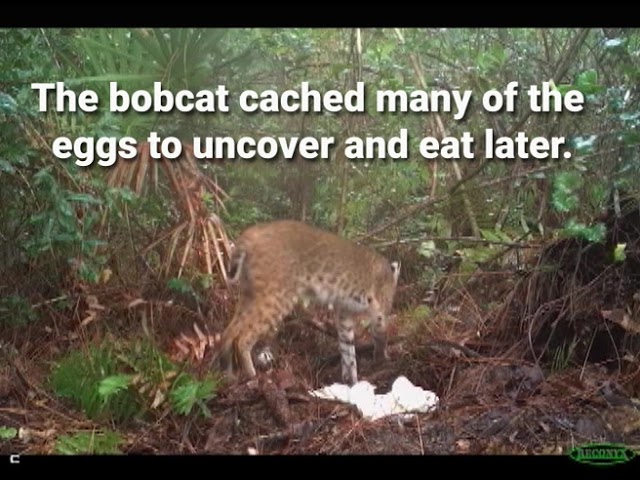
Burmese pythons are a highly destructive invasive species in Florida, severely impacting the Everglades and its native wildlife. These giant constrictors outcompete local animals, potentially contributing to the extinction of several mammal and bird species.
However, new remote camera footage offers a glimmer of hope. It shows a bobcat consuming as many as 42 python eggs, with evidence of more being saved for later. The camera even captured a direct confrontation between the bobcat and the nesting python.
This discovery prompts a crucial question: Could Florida's native predators, like bobcats, become a vital force in controlling the invasive python population in the Everglades?
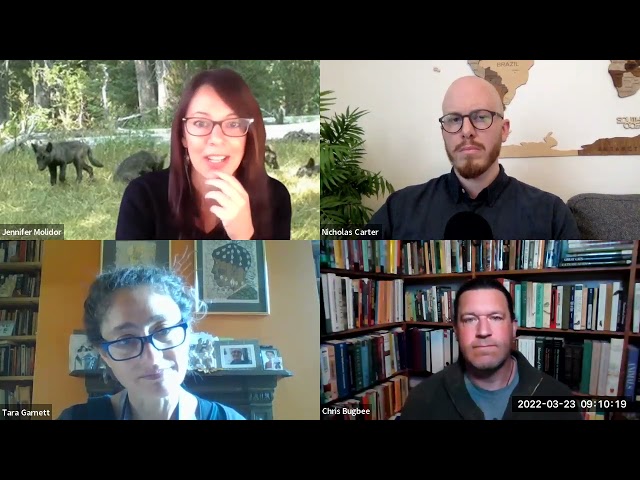
The environmental impact of beef production, from emissions to land use, is a critical concern, with solutions like regenerative grazing and grass-fed beef under debate. However, defining truly sustainable beef, especially given high U.S. consumption and its ecological implications, remains complex.
Experts Tara Garnett (University of Oxford, Table), Nicholas Carter (ecologist, PlantBasedData.org), and Chris Bugbee (Center for Biological Diversity) will explore these challenges. They will discuss food systems, wildlife interaction, and land stewardship. Discover more at GrazingFacts.com and join our webinar on April 7 at 4pm Pacific/7pm Eastern.

This powerful song, created and performed by young people living along the Gila River in Southwest New Mexico, serves as a heartfelt plea to protect this vital waterway for future generations.
Listen to their message. Then, visit www.wildgilariver.org to learn more about the campaign to designate the Gila a Wild & Scenic River.

Students from the Brophy Native American Club ran 227 miles through diverse terrain to protest for Oak Flat, a sacred Apache site in Arizona's Tonto National Forest. This vital area faces destruction by a copper mine. Senator Mark Kelly must support the Save Oak Flat Act to ensure its protection.
The Center for Biological Diversity, a Tucson-based 501c3 nonprofit, works to secure a future for all species by protecting lands, waters, and climate. We believe human welfare is deeply linked to nature's diversity. Learn more at our website or connect with us on Twitter, Facebook, Instagram, and TikTok. For inquiries, email center@biologicaldiversity.org.

In October 1972, following public action, Congress passed the Marine Mammal Protection Act (MMPA). The first federal law of its kind, it aimed to protect marine mammals in U.S. waters, allowing them to recover and thrive.
The MMPA has since saved countless marine mammals from unregulated hunting and pollution. Yet, significant threats like climate change, fishing gear entanglement, and oil and gas development persist, underscoring the need for continued implementation and enforcement.
Join us through October to celebrate the MMPA's 50th anniversary. We'll share stories, host events, and provide opportunities for action. Help spread awareness by sharing our video with #MMPA50.

Researchers from the Loango Chimpanzee Project have reported a novel discovery in Loango National Park, Gabon. They observed chimpanzees catching flying insects and applying them to their own wounds, as well as the wounds of other chimps.
This behavior may qualify as a form of self-medication. It could potentially prevent or reduce the harmful effects of pathogens and toxins, offering new insights into primate healing practices.

Students are passionately advocating for the Healthy Future Students and Earth Act.
Listen as they share compelling reasons why this legislation is vital for a sustainable future.
After hearing their perspectives, contact your congressional representatives and urge them to support this critical bill.

Red wolves, like those found in North Carolina’s Alligator River National Wildlife Refuge, are among the world's most endangered carnivores. Relentlessly persecuted, they were declared extinct in the wild in 1980 after the last few were moved to a captive-breeding program.
Today, only eight wild red wolves are known to roam eastern North Carolina. The Center is actively working to save this critically endangered species. Learn more about red wolves here.

Freshwater habitats, including California’s San Francisco/San Joaquin Bay Delta, are at the forefront of a global extinction crisis. Understanding this urgent struggle and how you can help is vital.
Filmmaker Jacob Morrison’s "River's End" reveals California's complex fight over fresh water. This powerful film highlights an impending crisis that resonates far beyond the state, signaling a worldwide challenge.
Watch "River's End" here and consider donating to the filmmakers here.

Witness candid, close-up footage of Florida's diverse wildlife.
Observe panthers, black bears, alligators, and more in their natural habitats along waterways and deep within the state's forests.

We're thrilled to share our recent victories protecting polar bears, beluga whales, caribou, and migratory birds.
Kristen Monsell, Senior Attorney and Litigation Director for our Oceans program, will provide an update on these successes and discuss other vital efforts to safeguard the Arctic and Alaska's wildlife.

Join our Remembrance Day for Lost Species SLOE webinar. We will honor the 23 species recently declared extinct and commit to preventing further losses.
The webinar features Executive Director Kierán Suckling, Senior Scientist Tierra Curry, and award-winning author Lydia Millet, who will read from her new work.

Wolves face severe threats nationwide. States like Idaho, Montana, and Wisconsin have authorized or seen the killing of a large percentage of their wolf populations, including over 200 wolves in Wisconsin in just 60 hours.
We must end these senseless killings. Join Jason Momoa, Leonardo DiCaprio, and thousands more in the #RelistWolves effort. Raise your voice by sharing this video and visiting RelistWolves.org or SaveOurWolves.org.
Film by Sender Films.

Los Angeles is the world's only megacity where mountain lions and humans coexist. This unique proximity underscores a critical conservation challenge.
A proposed city wildlife ordinance is vital. It addresses habitat destruction and fragmentation, protecting not only cougars but numerous other species facing similar threats.

Los Angeles is the world's sole megacity where mountain lions and humans coexist. This unique situation underscores the critical need for effective conservation strategies.
A proposed city wildlife ordinance is vital for protecting cougars and many other species. It addresses threats posed by habitat destruction and fragmentation, aiming to preserve biodiversity within the region.


Our elected officials have failed to halt fossil fuel projects, exacerbating the climate emergency. We must demand real climate leadership to protect communities and wildlife.
Join community leaders at the White House from October 11-15 for the "People vs. Fossil Fuels" protests. We will demand President Biden reject new fossil fuel projects, declare a climate emergency, and launch a just, renewable energy revolution. Consider participating in nonviolent civil disobedience.
Join us for climate justice: https://biodiv.us/3yVaXHz
Environmental Scientist and Advocate
What EarthSayers stands for
Discover Diverse Voices on EarthSayers
Unlike algorithm-driven platforms that push you into a content bubble, we ensure you hear a variety of perspectives from scientists, activists, Indigenous leaders, business innovators, and everyday citizens working toward sustainability.
EarthSayers CINEMA
Watch, learn and lead—sustainability starts with you.
The Thinking Game | Full documentary | Tribeca Film Festival official selection
“The Thinking Game” is the inside story of DeepMind's groundbreaking AI research, culminating in the Nobel Prize-winning AlphaFold breakthrough. Filmed over five years by the award-winning team behind "AlphaGo," this documentary explores co-founder Demis Hassabis's lifelong pursuit of artificial general intelligence and the rigorous scientific journey from mastering strategy games to solving the 50-year-old protein folding problem.
Following its world premiere at the Tribeca Festival, "The Thinking Game" is now available to watch for free. For those interested in hosting a screening for a classroom, community, or workplace, visit: rocofilms.com/films/the-thinking-game/.


