




Special Collections:
Biodiversity
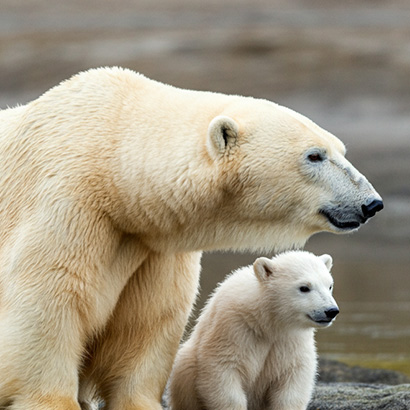

President Biden directed the U.S. Fish and Wildlife Service to review the Trump administration's decision to remove federal protections for wolves.
However, after only five days and without an official review, the Service stated in a letter that the delisting was appropriate.
For more information, visit this link: http://biodiv.us/3pf2cmZ

This is what a snow day looks like for wolves in Yellowstone National Park. They navigate the deep, pristine snow, their thick coats providing essential insulation against the biting cold.
Despite the challenging conditions, these resilient predators continue their hunt, their tracks a testament to their enduring presence in the winter landscape.

Southern Arizona is home to four wild cat species: mountain lion, bobcat, jaguar, and ocelot. In January 2021, remote cameras once again detected the state's only known wild jaguar and ocelot.
View previous footage of these elusive cats and learn more: http://biodiv.us/3jbAJBl

The San Pedro River, the Southwest's largest undammed river, flows north from Mexico into Arizona. It provides vital habitat for dozens of endangered species and millions of migratory birds. However, a proposed 28,000-home development threatens to deplete its waters, endangering countless wildlife.
To showcase the San Pedro's beauty and vulnerability, the Center has teamed up with filmmaker Dina Kagan to create a powerful 13-minute film.

The U.S.-Mexico border wall threatens the Patagonia Mountains, a vital migration corridor for jaguars like El Jefe. This construction severs crucial habitat.
Northern jaguars' recovery depends on halting further wall construction and removing existing sections.
Learn more about the wall's impact and future: http://biodiv.us/2M3F3GG

Siberian and Alaskan sandhill cranes are overwintering at a New Mexico wildlife refuge. These noisy, lanky birds can live up to 40 years.
They make an epic 10,000-mile round-trip journey dozens of times in their lives. A bald eagle was also spotted.

The U.S. Forest Service is logging some of the largest and oldest ponderosa pines in the American Southwest.
These ancient trees are crucial, providing habitat for unique species and storing significant carbon, which helps combat climate change.
Speak up for these vital forest giants: http://biodiv.us/3bG1a06

In its final weeks, the Trump administration is rapidly constructing border wall miles. This effort involves bulldozing protected public lands, dynamiting mountains, and destroying habitats vital for endangered species.
President-elect Joe Biden pledged "Not Another Foot" of wall would be built under his leadership. He is expected to fulfill this promise immediately upon taking office on January 20, permanently halting further construction.

For over a decade, the climate justice movement has fought major Midwest oil pipelines, including Keystone XL and Dakota Access, through grassroots resistance and legal actions.
With the new Biden-Harris administration prioritizing climate, activists are gearing up to pressure them to match their words with deeds.
Presenters for this discussion are Joye Braun of the Indigenous Environmental Network and Jane Kleeb of Bold Nebraska and Bold Alliance.

The EPA recently approved phosphogypsum, a radioactive waste, for use in road construction. This decision allows the fertilizer industry to avoid the significant costs of storing this material.
However, this approval exposes public health and the environment to unreasonable risks. The move prioritizes industry profit over safety, raising serious concerns about the long-term impact of radioactive waste in our infrastructure. #NoRadioactiveRoads

Florida's status as the nation's boating capital unfortunately jeopardizes its iconic grey "mermaid," the Florida Manatee. Increased boater activity on waterways has led to a significant rise in fatal boat strikes against these gentle creatures.
This escalating threat is evident in data spanning 1974–2018, showing manatee deaths from boat strikes are higher than ever before.

Discover Utah's 660 native bee species within Grand Staircase-Escalante National Monument at an exclusive screening of "The Bees of Grand Staircase Escalante" on Nov. 12. Learn why protecting these vital pollinators and their habitat is crucial.
Join filmmaker Matt Kelly (Bee Report), senior public lands campaigner Taylor McKinnon, and Environmental Health director Lori Ann Burd for a discussion. We'll explore unprecedented threats to native bees and national monuments, our protection campaigns, and how you can get involved.

The U.S. Fish and Wildlife Service has removed Endangered Species Act protections for gray wolves across most of the lower 48 states. This decision is expected to significantly slow or halt wolf recovery in much of their historic range.
Learn more about the implications of this action, how the Center for Biological Diversity is challenging it, and ways you can contribute to the fight. Hear insights from the Center's carnivore conservation director, Collette Adkins, and senior West Coast wolf advocate, Amaroq Weiss.

The devastating Bighorn Fire burned over 119,000 acres in Arizona's Santa Catalina Mountains. Despite the extensive damage, life is remarkably returning to these wild places in just a few months.
After a challenging year, treat yourself to something uplifting. Watch this heartwarming video of a bear family enjoying a morning splash in the mountains above the Center’s headquarters. Footage by Greg Joder ([@_eco.nut_](https://www.instagram.com/_eco.nut_/) on Instagram).

Even "scary" creatures need our help. Discover the Center's work defending endangered species like bats, American burying beetles, and the rare Bone Cave harvestman.
Learn about their fascinating biology—from unique senses to their diets—and the industry-funded campaigns threatening their survival. This presentation highlights critical efforts to protect these vulnerable species.
Center staff attorney Ryan Shannon, an expert in defending the Endangered Species Act, will lead this insightful discussion.

The Center protects global biodiversity by applying U.S. and international law to conserve imperiled species worldwide. Endangered wildlife knows no borders, and our work addresses the extinction crisis wherever it occurs.
Learn about our efforts to safeguard African wildlife, from iconic elephants and giraffes to unique pangolins and sea cucumbers. We need your support to combat the wildlife trade fueling these extinctions. Our International Director, Sarah Uhlemann, and International Legal Director, Tanya Sanerib, will share insights into this vital work.
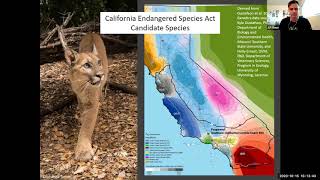
The Center's Urban Wildlands program protects big cats and other wildlife by halting urban sprawl into adjacent wildlands, ensuring vital space and connectivity. Uncontrolled development in these areas heightens fire risk, increases car dependency, and isolates wildlife populations, particularly mountain lions. This year, significant progress was made in securing greater protections for California's mountain lions and stopping harmful projects.
Learn more about our efforts to safeguard California's mountain lions and wildlife corridors, and discover how you can contribute. The program features insights from Dr. Tiffany Yap, a senior scientist and wildlife corridor advocate, and J.P. Rose, Urban Wildlands Staff Attorney.

A Bohar snapper was observed "booping the Zoom" while inspecting a camera at the Pacific Remote Islands Marine National Monument. This humorous incident offers a glimpse into the vibrant marine life found there.
The monument is home to over 400 fish species, creating a bustling underwater ecosystem. While these creatures thrive in their natural habitat, it's clear none have yet mastered video-conference etiquette.

The U.S. Department of Agriculture's Wildlife Services program kills over a million wild animals annually, often at the request of industrial agriculture. Using cruel traps and poisons, the program targets carnivores like coyotes, bears, and foxes, even impacting rare species such as grizzlies and wolves.
Our organization has worked for years to expose these federal wildlife-killing practices, successfully gaining protections for wildlife in several states.
Join Carnivore Conservation Director Collette Adkins and Senior Attorney Andrea Zaccardi for a presentation discussing Wildlife Services, the latest on grizzly bears, and the critical importance of state-level wolf conservation amidst potential national protection losses.

A new report reveals U.S. wildlife imports are escalating global pandemic risks. These imported species are known to harbor 75% of all identified zoonotic viruses.
Read the full report here: https://biodiv.us/2S4IGey
Environmental Scientist and Advocate
What EarthSayers stands for
Discover Diverse Voices on EarthSayers
Unlike algorithm-driven platforms that push you into a content bubble, we ensure you hear a variety of perspectives from scientists, activists, Indigenous leaders, business innovators, and everyday citizens working toward sustainability.
EarthSayers CINEMA
Watch, learn and lead—sustainability starts with you.
How to Live on Earth | Feature Documentary | Presented by Benedict Cumberbatch
What if the solutions to building a better future already exist? How to Live on Earth is an ambitious documentary that explores how humanity can create a thriving future by collaborating with nature. Presented by Benedict Cumberbatch, the film reveals the potential of teaming up with nature to address our greatest challenges.
Heartwarming and energizing, it offers a hopeful vision for a future where both nature and humanity can thrive. How to Live on Earth is produced by Open Planet Studios in association with Villars Institute Foundation and Silvania. Join the conversation by downloading film assets and sharing your reaction at howtoliveonearth.net/social-toolkit. Explore educational resources from the Villars Institute at YouTube.


