




Special Collections:
Oceans

The world's biggest sporting events, such as the World Cup, should not contribute to global plastic waste. It's crucial to address the environmental impact of these major spectacles.
We urge Coca-Cola and FIFA to commit to reusable solutions and help eliminate single-use plastic from sports stadiums permanently. Take action now: Tell Coca-Cola and FIFA to commit to reuse.
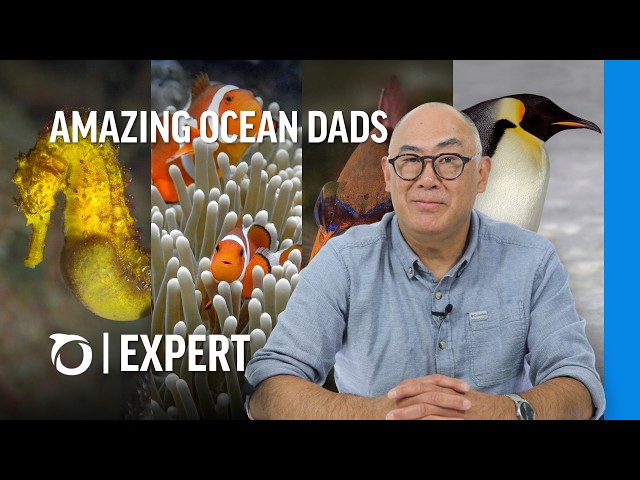
Discover the ocean's most dedicated dads! Join Philip Chou from Oceana’s Science & Strategy Team as he shares incredible stories of underwater fatherhood. Learn about seahorse males that carry and "give birth" to their young, clownfish guarding eggs, emperor penguins braving winter, and other unique paternal care strategies.
Dive in to celebrate these amazing fathers! Support Oceana by subscribing for new videos and becoming a Wavemaker to protect our oceans. Stay connected on Facebook, Instagram, X, and TikTok.

The Endangered Species Act protects over 1,600 plant and animal species, but this landmark law is constantly under threat.
Help defend these incredible creatures and their vital protections. Add your name today: https://oceana.ly/42vOuSR

Oceana, alongside other environmental groups, has filed a lawsuit challenging the Trump administration. This legal action aims to restore protections for threatened and endangered animals in the Gulf of Mexico.
We heard your concerns and are actively taking steps to safeguard these vital species.
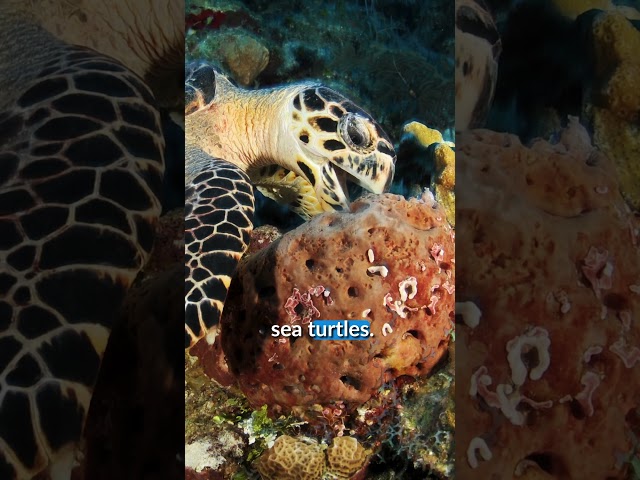
The hawksbill turtle's beak-like mouth is perfectly adapted for consuming its favorite food: sponges.
Discover more about these unique sea turtles in our Marine Life Encyclopedia: Marine Life Encyclopedia.

In March 1989, the Exxon Valdez tanker ran aground in Alaska's Prince William Sound, spilling 11 million gallons of oil. This catastrophic event left a lasting environmental impact, with oil still present in the spill area today.
This disaster is among the worst oil spills in U.S. history, demonstrating that offshore drilling inevitably leads to spills. Our oceans, marine life, and coastal communities bear the severe consequences.
Oppose the U.S. government's proposed expansion of offshore drilling to protect our coasts: [Protect Our Coasts](https://oceana.ly/ProtectOurCoasts)

Oceana CEO Jim Simon enjoys reading letters from kids. In a new video, he answers pressing questions from young supporters about the oceans and Oceana's vital work.
Watch the video to hear Jim discuss topics like ocean importance, Oceana's global reach, and how individuals can make an impact. The video also features drawings from young supporters.
Get involved by subscribing to Oceana or becoming a Wavemaker. Stay connected with Oceana on Facebook, Instagram, X, and TikTok.
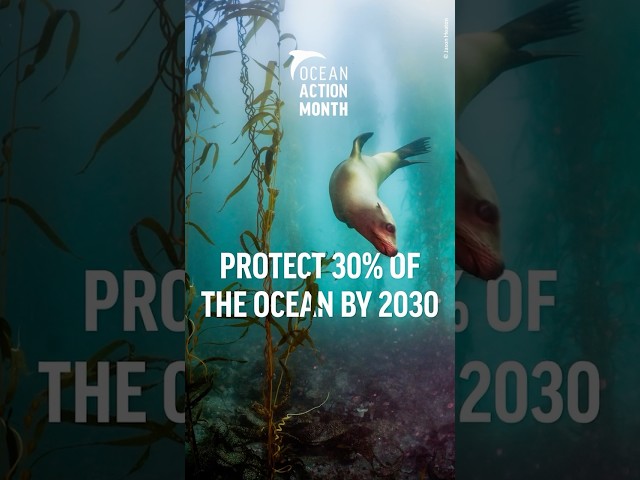
In 2022, world leaders committed to protecting 30% of our oceans by 2030. With only four years remaining, it's crucial to ensure they deliver on this vital promise.
This #OceanActionMonth, join us in urging leaders to fulfill their commitment. Take action now to safeguard marine habitats and achieve the 30x30 goal: https://oceana.ly/4xj7YIu

Happy World Oceans Day! Our oceans are vital, sustaining life globally from diverse wildlife to human communities. They provide the food we eat and the air we breathe, making them indispensable to our planet. 🌊 🐠
This Ocean Action Month, let's unite to protect this essential blue heart of our world. 💙

Offshore drilling, a cornerstone of the global oil and gas industry, poses significant risks. This dangerous business threatens fragile ecosystems, marine wildlife, and coastlines with catastrophic oil spills.
Oceana Marine Scientist Maeve Arthur's video examines five of the worst U.S. offshore oil spills, detailing their environmental, economic, and human health consequences. She emphasizes that such disasters will persist as long as we rely on toxic fossil fuels.
To prevent future spills, oppose the U.S. government’s proposed expansion of offshore drilling: https://oceana.ly/ProtectOurCoasts. Stay informed by subscribing to Oceana: https://oceana.ly/subscribe.

This month brought a wave of positive news for our oceans. We're celebrating significant wins, from the expansion of marine protected areas to exciting sightings of elusive species.
Don't miss these inspiring stories that highlight ongoing efforts and successes in marine conservation.

Male magnificent frigatebirds attract females by expanding their large, bright red throat pouch, much like a balloon. This striking display is central to their courtship ritual.
Learn more about these fascinating seabirds in our Marine Life Encyclopedia: https://oceana.ly/3S8Yzmw

Once nearly hunted to extinction, humpback whales began their recovery thanks to the Endangered Species Act (ESA). While many populations have rebounded, some still require protection. The ESA has been vital for numerous marine animals.
We're highlighting five marine species safeguarded by this landmark U.S. law. Join us in defending the ESA and these vital species. Support this crucial legislation and learn more at oceana.ly/ESA.

Happy International Day of Biological Diversity! Our oceans are home to an estimated 2.2 million species, encompassing everything from iconic marine animals to those yet undiscovered.
Every species is vital for maintaining healthy, balanced, and vibrant ocean ecosystems. Protecting this rich biodiversity is essential for safeguarding the future of our blue planet.

Eleven years ago, over 120,000 gallons of oil spilled onto California’s Refugio Beach, devastating wildlife and coastal communities.
This disaster, like other major U.S. oil spills, proves that drilling inevitably leads to spills, harming our oceans, marine life, and coastal communities.
Oppose the U.S. government’s proposed expansion of offshore drilling. Protect our coasts: https://oceana.ly/ProtectOurCoasts

Orcas are cunning predators, known for their strategic, pack-like hunting formations.
Discover more about these fascinating marine mammals in our Marine Life Encyclopedia: https://oceana.ly/4dPU8W6

The Endangered Species Act of 1973 has protected countless species from extinction for half a century. This landmark law, crucial for safeguarding marine animals, now faces ongoing attacks. It's vital to understand its origins, impact, and how it helps save species like green sea turtles, sea otters, and humpback whales.
We must stand in its defense. Learn more about the ESA and its importance: [Defend the ESA](https://oceana.ly/42vOuSR). You can also get involved by subscribing to Oceana for updates or becoming a Wavemaker to support ocean conservation efforts: [Get Involved](https://oceana.ly/subscribe).

Microplastics are pervasive, infiltrating our environment, bodies, and food globally. Their widespread presence is no longer a secret, with public awareness growing almost as fast as the particles themselves.
Given this established ubiquity, it's time for action. Learn more about microplastics and what Oceana is doing to address the plastic crisis: oceana.ly/4eCNZgZ

The 1969 Santa Barbara oil spill devastated California's coast, catalyzing the environmental movement. We highlight five of the worst U.S. oil spills, demonstrating that where drilling occurs, spills follow, harming our oceans, marine life, and coastal communities.
Oppose the U.S. government’s proposed expansion of offshore drilling: https://oceana.ly/ProtectOurCoasts

Brown pelicans, once decimated by the feather trade and toxic pesticides, made a remarkable recovery. Following the U.S. ban of DDT and habitat protections under the ESA, their populations rebounded, leading to their full removal from the endangered species list by 2009.
Leading up to Endangered Species Day on May 15, we're highlighting marine animals protected by the U.S. Endangered Species Act. Join us in defending this landmark law and species like these: https://oceana.ly/ESA
Environmental Scientist and Advocate
What EarthSayers stands for
Discover Diverse Voices on EarthSayers
Unlike algorithm-driven platforms that push you into a content bubble, we ensure you hear a variety of perspectives from scientists, activists, Indigenous leaders, business innovators, and everyday citizens working toward sustainability.
EarthSayers CINEMA
Watch, learn and lead—sustainability starts with you.
How to Live on Earth | Feature Documentary | Presented by Benedict Cumberbatch
What if the solutions to building a better future already exist? How to Live on Earth is an ambitious documentary that explores how humanity can create a thriving future by collaborating with nature. Presented by Benedict Cumberbatch, the film reveals the potential of teaming up with nature to address our greatest challenges.
Heartwarming and energizing, it offers a hopeful vision for a future where both nature and humanity can thrive. How to Live on Earth is produced by Open Planet Studios in association with Villars Institute Foundation and Silvania. Join the conversation by downloading film assets and sharing your reaction at howtoliveonearth.net/social-toolkit. Explore educational resources from the Villars Institute at YouTube.


