




Special Collections:
The Circular Economy

Technology like 3D printers and CNC routers enables localized mass production. Instead of shipping goods globally, blueprints can be transferred, allowing items to be produced locally using local materials. While this promise isn't new, it's not yet widespread. What will it take to significantly shift towards this local manufacturing model?
UK-based Open Desk is at the forefront of this movement. Discover insights from their years of experience designing workplace furniture, collaborating with a community of designers and makers, and integrating augmented reality into their work.

Join this live show to explore two innovative circular economy businesses. Sofa for Life offers a comfortable, modular sofa designed for easy transport and relocation. Omocom specializes in micro-insurance, crucial for peer-to-peer transactions within circular business models.
Discover the inspiration behind these ideas and how they were brought to life. Tune in to learn more!

Convincing colleagues and policymakers about new ideas, particularly environmental initiatives, without them feeling burdened is a common challenge. Luigi Acquaviva, working with Italian regional and city policymakers, has developed strategies to implement environmental concepts effectively.
Similarly, Cheryl McCulloch successfully engaged Glasgow businesses and policymakers on the circular economy in Scotland. Her team's "circular city scan" shifted perspectives towards collaborative new approaches. Join this conversation to learn from Luigi and Cheryl's valuable experiences.

Waste and pollution are direct results of design choices. This session will feature inspiring leaders who are already transforming the system through circular design principles.
Join Seetal Solanki (Ma-tt-er founder, author of *Why Materials Matter*), Kamonnart Ong (Moreloop co-founder, fashion designer), and RSA Student Design Award winners Maire Kane and Hannah Grogan, who developed a reusable medical device. These innovators are leading the way in sustainable design.
Be part of this essential transformation. Don't miss out.

The International Biochar Initiative (IBI) proposes converting organic waste—from food, gardening, and even sewage—into biochar through baking. This toxic-free, multi-purpose material positively impacts the planet, leading Project Drawdown to rank it among the top 100 ideas for reversing climate change.
This session will explore the science and technology behind biochar, along with the IBI's strategies for communicating its benefits globally.

Technology from the Global North frequently generates waste problems in the Global South. DK Osseo-Asare recognized an opportunity to transform this challenge into a significant benefit for young people in Ghana.
His work, detailed in a globally acclaimed TED talk, focuses on upskilling Ghanaian youth, fostering entrepreneurial opportunities, and eliminating waste streams. This innovative model, exemplified by Agbogbloshie, has garnered international attention.
Join our live discussion to delve deeper into Agbogbloshie's impact and its potential for replication.

Cities are vital for advancing the circular economy, unlocking economic, environmental, and social benefits, especially as two-thirds of the global population will live in urban centers by 2050. Currently, cities face challenges from a "take-make-waste" linear economy. A circular economy offers a critical opportunity to rethink resource use and ensure long-term urban prosperity.
The "Circular Economy in Cities" project focuses on urban systems like buildings, mobility, and products, guiding city governments on implementing circular principles and policies. The Ellen MacArthur Foundation, a UK charity, is a global leader accelerating this transition.
Learn more about our work at ellenmacarthurfoundation.org and subscribe to our channel: YouTube.


Watch the third part of our 'Meet the Redesigners' film series, showcasing the circular economy in action. Discover innovative projects like mimicking nature's cycles on a buffalo farm and growing greens under London's tube lines, featuring work from the Ooho team.
The Ellen MacArthur Foundation, a UK charity founded by Ellen MacArthur in 2010, accelerates the transition to a circular economy. Explore a new section of our website, launching Thursday, July 18th, at ellenmacarthurfoundation.org. Follow our work and engage with us on social media.
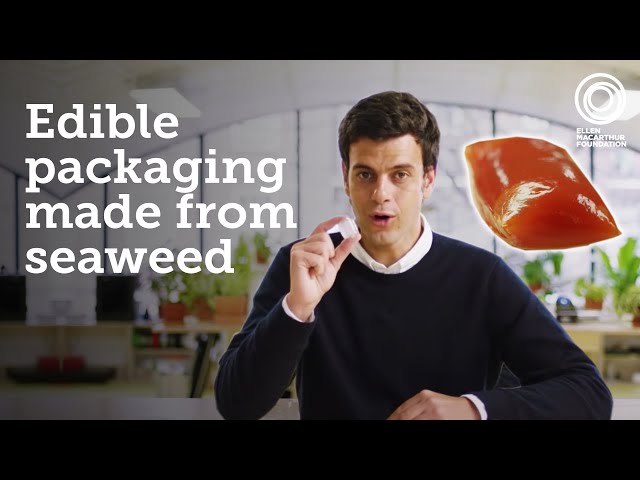
Discover the circular economy in action, from 100% recyclable carpets to seaweed-based plastic packaging. Watch "Meet the Redesigners" Part Two to see these innovations. The Ellen MacArthur Foundation, a UK charity launched in 2010 by Ellen MacArthur, leads the global transition to a circular economy.
A new section of their website launches Thursday, July 18th. Explore their work and connect with them online at [ellenmacarthurfoundation.org](https://www.ellenmacarthurfoundation.org). You can also subscribe to their [YouTube channel](https://www.youtube.com/user/made2bemadeagain) for more content.

The Ellen MacArthur Foundation has launched a three-part video series exploring the circular economy's impact on businesses, people, and society, featuring innovative examples. This UK charity, founded in 2010, is a global thought leader accelerating the transition to a circular economy.
A new website section will be available from Thursday, July 18th. Discover more at ellenmacarthurfoundation.org. You can also subscribe to their YouTube channel here and connect via Instagram, Facebook, LinkedIn, Twitter, and Medium.

Our "Meet the Redesigners" film series showcases the circular economy in action, featuring modular headphones, a clothing rental platform, and H&M's new business models. A new section of our website, [www.ellenmacarthurfoundation.org](http://www.ellenmacarthurfoundation.org), launches July 18th.
The Ellen MacArthur Foundation, a UK charity founded in 2010, is a global thought leader accelerating the transition to a circular economy. We work across business, learning, and communications, supported by key philanthropic and knowledge partners.
Thank you for watching. Subscribe to our channel here: [https://www.youtube.com/user/made2bemadeagain](https://www.youtube.com/user/made2bemadeagain). Find out more about our work and follow us on social media via our website: [https://www.ellenmacarthurfoundation.org](https://www.ellenmacarthurfoundation.org).

The Ellen MacArthur Foundation launches a three-part video series exploring the circular economy's meaning for businesses, people, and society, highlighting innovative examples. A new section of their website, ellenmacarthurfoundation.org, will be available from Thursday, July 18th. The Foundation, a UK charity established in 2010 by Ellen MacArthur, accelerates the transition to a circular economy, positioning it on the agenda of global decision-makers.
Engage further by subscribing to their YouTube channel, sharing feedback, and following them on social media: Instagram, Facebook, LinkedIn, Twitter, and Medium.

Cities are crucial for advancing the circular economy, unlocking economic, environmental, and social benefits. By 2050, most people will live in cities, which currently consume vast resources, generating significant waste and emissions under a linear "take-make-waste" system. A circular economy offers a vital path to rethink resource use, supporting city priorities and prosperity.
The "Circular Economy in Cities" project explores opportunities in urban systems (buildings, mobility, products), guiding city governments on transition strategies and policy.
The Ellen MacArthur Foundation, a UK charity, leads global efforts to accelerate this transition. Learn more on our website. Subscribe to our YouTube channel. Follow us: Instagram, Facebook, LinkedIn, Twitter, Medium.

Hugo Spowers, founder of Riversimple, dramatically shifted from F1 to create a 100% circular car. This hydrogen fuel cell vehicle features modular design and is offered via a performance contract, not outright sale. The Foundation's Colin Webster discussed the Rasa model with Spowers at Summit 2019.
The Ellen MacArthur Foundation, a UK charity launched in 2010 by sailor Ellen MacArthur, accelerates the transition to a circular economy. As a global thought leader, it influences business, government, and academia through its work in business, learning, insight, and communications. Discover more about their initiatives at ellenmacarthurfoundation.org.

Designers Tom Leenders and Dorus Galama founded Gerrard Street to combat the 15 million kg of headphones discarded annually. Their startup, with the ambition to become the world's leading circular economy audio brand, offers modular, durable headphones exclusively through a service contract. They showcased their innovative design live at Summit 2019.
The Ellen MacArthur Foundation, a UK charity launched in 2010 by world record-breaking sailor Ellen MacArthur, accelerates the transition to a circular economy. As a global thought leader, the Foundation places the circular economy on the agenda of decision-makers across business, government, and academia. Learn more about their work and the circular economy at the Ellen MacArthur Foundation website.

Rhiana Gunn-Wright of New Consensus joined the Foundation's Ashima Sukhdev to discuss the Green New Deal. Their 15-minute conversation explored tackling climate change and inequality simultaneously, building collaboration, and its relevance to the current US administration.
The Ellen MacArthur Foundation, a UK charity, accelerates the transition to a circular economy. Launched in 2010 by sailor Ellen MacArthur, it has become a global thought leader, placing the circular economy on the agenda of decision-makers across business, government, and academia. Learn more at ellenmacarthurfoundation.org.

Over a third of all food is wasted, a stark reality given widespread malnutrition. Food waste campaigner Tristram Stuart addresses this issue by developing positive solutions, including Toast Ale. This beer, brewed from waste bread, draws inspiration from ancient Mesopotamians and highlights how simple ideas can create compelling stories.
The Ellen MacArthur Foundation, a UK charity launched in 2010 by sailor Ellen MacArthur, accelerates the transition to a circular economy. As a global thought leader, the Foundation works across business, government, and academia to place the circular economy on the agenda of decision-makers. Learn more at ellenmacarthurfoundation.org.

Orange Fiber transforms hundreds of thousands of tonnes of wasted orange peel into luxury fabrics and clothing. This innovative solution has gained significant recognition, winning the H&M Global Change Awards and featuring in the company's Creative Conscience range. The Ellen MacArthur Foundation's Vicky Deegan interviewed co-founder Enrica Arena to explore the startup's journey and products.
The Ellen MacArthur Foundation, a UK charity founded in 2010 by world-record sailor Ellen MacArthur, accelerates the transition to a circular economy. A global thought leader, the Foundation works across business, government, and academia. For more information and to follow their work, visit their website at ellenmacarthurfoundation.org or subscribe to their YouTube channel: youtube.com/user/made2bemadeagain.

While many circular economy examples originate in Europe and the US, Kabadiwalla Connect offers a distinct model from India and Indonesia. Siddharth Hande identified informal material networks as potential circular economy supply chains, leading to partnerships with major businesses like Unilever and Danone.
The Ellen MacArthur Foundation, a UK charity launched in 2010 by world-record sailor Ellen MacArthur, is a global thought leader. It accelerates the transition to a circular economy by influencing business, government, and academia worldwide.
Learn more about their initiatives at ellenmacarthurfoundation.org. You can also subscribe to their YouTube channel: made2bemadeagain, and follow them online via Instagram, Facebook, LinkedIn, Twitter, and Medium.
Environmental Scientist and Advocate
What EarthSayers stands for
Discover Diverse Voices on EarthSayers
Unlike algorithm-driven platforms that push you into a content bubble, we ensure you hear a variety of perspectives from scientists, activists, Indigenous leaders, business innovators, and everyday citizens working toward sustainability.
EarthSayers CINEMA
Watch, learn and lead—sustainability starts with you.
The Thinking Game | Full documentary | Tribeca Film Festival official selection
“The Thinking Game” is the inside story of DeepMind's groundbreaking AI research, culminating in the Nobel Prize-winning AlphaFold breakthrough. Filmed over five years by the award-winning team behind "AlphaGo," this documentary explores co-founder Demis Hassabis's lifelong pursuit of artificial general intelligence and the rigorous scientific journey from mastering strategy games to solving the 50-year-old protein folding problem.
Following its world premiere at the Tribeca Festival, "The Thinking Game" is now available to watch for free. For those interested in hosting a screening for a classroom, community, or workplace, visit: rocofilms.com/films/the-thinking-game/.


