




Special Collections:
Farming and Food Production
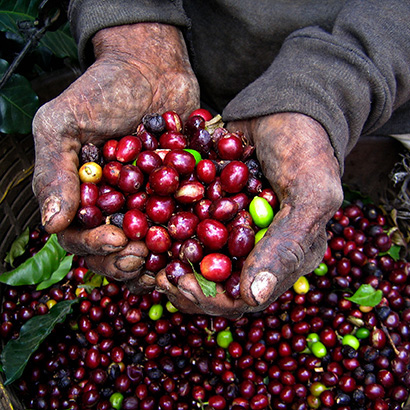

This video from Karamoja, Uganda, showcases the extensive knowledge of pastoralists regarding their rangelands. Through the experiences of Maria Koriang, Longoli John, and others, it discusses livestock mobility, changing grazing conditions, and the necessity for grazing areas to recover. It also emphasizes the often-overlooked contributions of pastoralist women in land, water, plants, and animal care.
Produced by the FAO project Boosting Evidence on Biodiversity and Gender for Sustainable Livestock Transformation in collaboration with COPACSO, the video reflects findings on the interactions between pastoral systems, gender, and biodiversity. For more information, visit the FAO Knowledge Repository.

In Karamoja, Uganda, Nyangan Sidore Koriang, a young pastoralist and youth advocate, engages with local youth on issues like land rights, climate change, and livestock management. This video captures her insights on the cultural significance of livestock, the challenges of changing grazing and water conditions, and the urgent need for rangeland restoration and youth involvement in decision-making.
Produced through the FAO project on biodiversity and gender, Koriang's story illustrates how young pastoralists leverage local knowledge and advocacy to influence the future of Karamoja’s pastoral systems. For more information, visit the FAO Knowledge Repository.
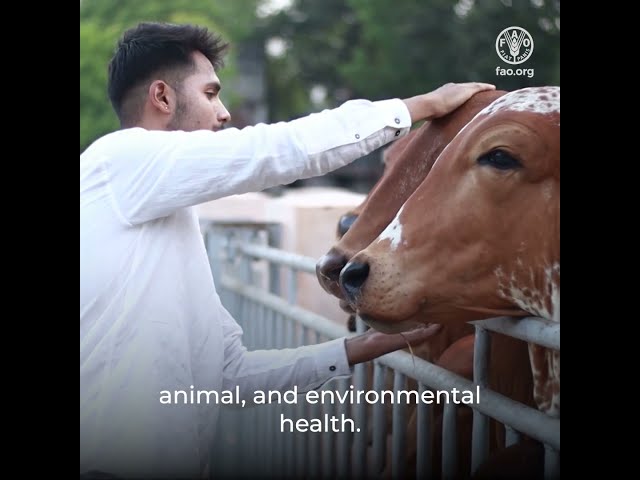
Sarah Cahill, FAO CODEX Secretary, explains how Codex standards support a One Health approach by highlighting the connection between human, animal, plant, and environmental health. This approach promotes coordinated actions across the agrifood system to ensure safer food and healthier populations.
Stay updated by subscribing to the FAO YouTube channel. Follow FAO on social media: Facebook, Instagram, LinkedIn, TikTok, Twitter, and Weibo. © FAO: www.fao.org #SDGs #Agenda2030 #GlobalGoals

Lifeng Li, FAO NSL Director, highlights that healthy land, soil, and water are crucial for One Health. Protecting these resources is vital for ensuring food security, biodiversity, and resilient agrifood systems.
Stay connected with FAO by subscribing to their YouTube channel here. Follow FAO on social media: Facebook, Instagram, LinkedIn, TikTok, Twitter, and Weibo.

Rangelands and pastoralists play a crucial role in sustaining food production, cultures, and economies.
Long-term investment and collaboration are essential to protect rangelands and the livelihoods they support for future generations. Here are five actions development partners can take to contribute.

هذا الفيديو يوضح نهج منظمة الأغذية والزراعة في لبنان ضد الاستغلال والانتهاك الجنسيين، ويحدد حقوق المستفيدين في الحصول على مساعدة آمنة ومجانية. كما يشرح السلوك المحظور، بما في ذلك أي نشاط جنسي مع أشخاص دون سن 18 عاماً، ويؤكد أن الإبلاغ لن يؤثر على إمكانية الحصول على المساعدة.
تم اختيار الصيغة السمعية البصرية لجعل رسائل التوعية متاحة للمستفيدين بمستويات قراءة وكتابة مختلفة. لمزيد من المعلومات، يمكنك الاشتراك في القناة على يوتيوب أو متابعة منظمة الأغذية والزراعة على فيسبوك وإنستغرام.
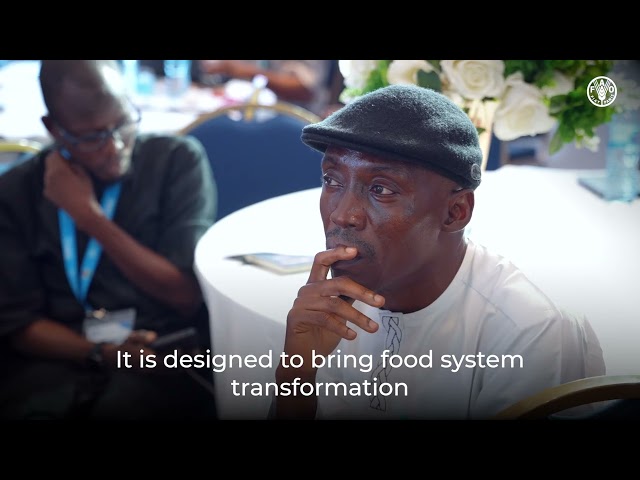
This video showcases the High-Level Agrifood Systems–Climate Convergence Workshop held in Abuja, organized by Nigeria's Federal Ministry of Budget and Economic Planning and the United Nations System. The workshop aimed to align policies, mobilize investments, and promote climate-resilient agrifood systems.
Key to this initiative is the Nigeria Agrifood-Climate Resilience Blueprint, which seeks to integrate food security, climate resilience, and sustainable development. FAO is dedicated to fostering resilient food systems and enhancing livelihoods throughout Nigeria.
Subscribe to FAO on YouTube and follow them on Facebook, Instagram, LinkedIn, TikTok, Twitter, and Weibo.

This video showcases the launch of the 2026 Great Green Wall Day in Kano, which includes the inauguration of the National Steering Committee for the SURAGGWA programme, a tree-planting initiative, and the opening of NAGGW's new headquarters. The project, led by FAO in Nigeria in collaboration with the Federal Ministry of Environment, NAGGW, and the Kano State Government, aims to restore degraded landscapes and enhance climate resilience.
Supported by the Green Climate Fund, SURAGGWA will benefit over 1.9 million people in Nigeria through land restoration, climate-smart agriculture, biodiversity conservation, carbon sequestration, and green jobs, emphasizing the importance of land recovery for food security and sustainable growth.

During the Regional Meeting on the transformative potential of innovation and technology for reducing food loss and waste, Rene Orellana Halkyer, FAO's Regional Representative for Latin America and the Caribbean, outlines the FAO's vision to tackle significant challenges in agro-food systems. In the region, 11.6% of food is lost during production and post-harvest, while globally, 19% of food is wasted in commerce and households, affecting 153 million people facing food insecurity.
The FAO promotes a strategic agenda focused on standards, data, partnerships, and technological innovation. Countries are leveraging tools like FLAPP and Optiwaste to enhance resource use and create development opportunities. The goal is to expand successful solutions, strengthen regional cooperation, and implement sustainable policies to ensure more food reaches those in need.

Since its founding in October 1945, the FAO has seen women play vital roles in transforming agrifood systems globally, serving as scientists, delegates, field workers, and leaders. This video highlights their often-overlooked contributions, from the first FAO Conference to the recent relaunch of the FAO Women's Committee, reaffirming the commitment to empower women within FAO and beyond.
Join us in shaping the next chapter. Subscribe to the FAO channel on YouTube and follow FAO on Facebook, Instagram, LinkedIn, TikTok, Twitter, and Weibo.

"Empowering Farmers to Learn and Produce Amid Uncertainties" highlights the Food and Agriculture Organization (FAO) of the United Nations' efforts, in collaboration with Ethiopia's Ministry of Agriculture and support from the Japan International Cooperation Agency (JICA), to enhance resilience in farming communities in northern Ethiopia. The film features farmers and agricultural experts in Kalu Woreda, showcasing how the Farmer Field School (FFS) approach fosters hands-on learning and community-based seed multiplication.
Through local seed production and collective decision-making, farmers are improving crop yields and reducing reliance on external seed sources. Their experiences illustrate how farmer-led initiatives are enhancing livelihoods, building community resilience, and instilling hope for the future despite environmental and socioeconomic challenges.

In the Indénié-Djuablin region of Côte d'Ivoire, farmers Sonia France and Victorine Akoua demonstrate how Village Savings and Loan Associations (AVEC), supported by the FAO's SAGA 2 project, bring climate finance closer to local communities. Through collective savings, loans, technical support, and the ANOUAZE Federation, women invest in climate adaptation activities, enhancing their livelihoods with locally rooted solutions.
Subscribe to the FAO on YouTube: FAO Channel. Follow FAO on social media: Facebook, Instagram, LinkedIn, TikTok, Twitter, Weibo.
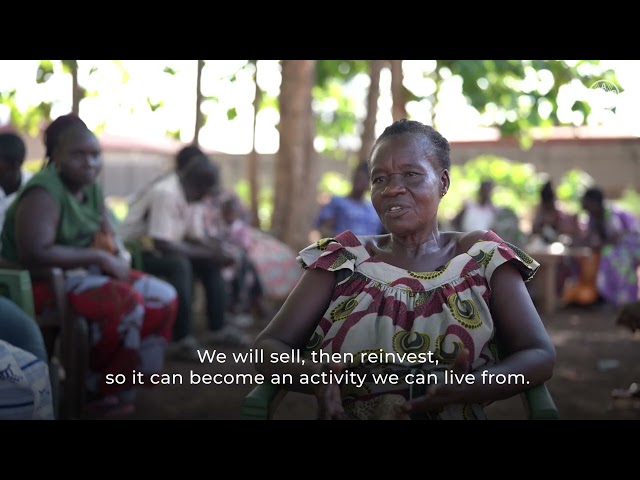
In Côte d’Ivoire’s Indénié-Djuablin region, women farmers Sonia France and Victorine Akoua demonstrate how Village Savings and Loan Associations (VSLAs), supported by FAO’s SAGA 2 project, enhance local climate finance. Through collective savings, loans, and technical support, women invest in climate adaptation, strengthen their livelihoods, and promote locally driven solutions.
Stay connected with FAO: Subscribe on YouTube and follow us on Facebook, Instagram, LinkedIn, TikTok, Twitter, and Weibo.
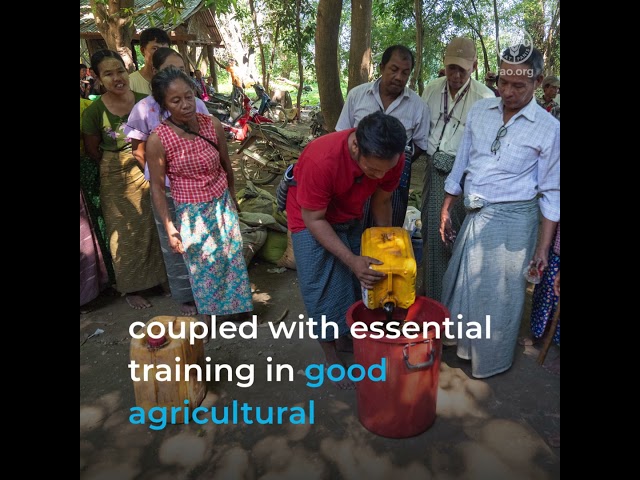
The Myanmar Humanitarian Fund enabled FAO to deliver crucial agricultural assistance in vulnerable regions, along with training in effective farming practices. Within two months, families began harvesting fresh vegetables, enhancing nutrition and supporting recovery.
Stay updated by subscribing to FAO on YouTube. Follow FAO on Facebook, Instagram, LinkedIn, TikTok, Twitter, and Weibo. Visit FAO for more information.

From Sea to Plate is a live cooking show by FAO and the Monterey Bay Aquarium that merges gastronomy, storytelling, and dialogue to highlight the connection between aquatic foods and the communities that produce them. The show features the blue swimming crab, illustrating its journey from coastal communities to the plate through discussions with chefs, fishers, market actors, and policymakers.
Subscribe to the channel here. Follow FAO on social media: Facebook, Instagram, LinkedIn, TikTok, Twitter, Weibo. Visit FAO at fao.org.

The initial moments after catching a tuna are crucial for maintaining its quality and value. Discover seven simple handling steps designed for small-scale fishers to enhance their catch's quality, minimize losses, and boost market value. This guide was developed through the FAO Common Oceans Tuna Project in collaboration with IPNLF and supported by the Global Environment Facility (GEF).
For more information, visit the FAO website. Subscribe to our channel here and follow FAO on social media: Facebook, Instagram, LinkedIn, TikTok, Twitter, and Weibo.

Nepal's floods have claimed over 1,000 lives, devastated communities, and disrupted rural livelihoods.
The FAO is collaborating with the Government and UN partners to assess the damage, address emergency needs, and support communities in resuming food production. FAO's Deputy Director General Beth Bechdol provides further insights.

FAO invites you to the event "Investing in the Agrifood Systems of Latin America and the Caribbean." This high-level dialogue aims to enhance investment in the region's agrifood systems, focusing on various stages of the financing continuum.
For more information, visit FAO Events. © FAO: fao.org #SDGs #Agenda2030 #GlobalGoals

Despite a reduction in conflict, food production in northeast Syria remains a significant challenge due to climatic shocks, limited extension services, and high input costs. Many families struggle to produce the food they need for survival.
With support from SHF, FAO has provided 4,500 farming households (27,000 people) with vegetable production packages, including seeds and organic fertilizer. This timely assistance helps vulnerable families grow fresh vegetables, safeguard their livelihoods, and lessen their dependence on humanitarian aid.
For more information, visit the story link. Subscribe to FAO on YouTube and follow us on Facebook, Instagram, LinkedIn, TikTok, Twitter, and Weibo.

This video highlights two FAO and UNOSSC projects funded by the Russian Federation in the Fergana Valley and the Sahel region. The Fergana Valley project, covering Tajikistan, Uzbekistan, and Kyrgyzstan, focuses on Climate-Smart Agriculture and innovative technologies to help farmers tackle climate challenges while enhancing soil and water conservation.
In the Sahel, where agriculture is threatened by arid conditions and irregular rainfall, the project promotes sustainable irrigation and land management. Collaboration among Mali, Niger, Burkina Faso, Mauritania, and Chad will facilitate the exchange of best practices to improve food security and resilience. For more information, visit the FAO SSTC website.
Environmental Scientist and Advocate
What EarthSayers stands for
Discover Diverse Voices on EarthSayers
Unlike algorithm-driven platforms that push you into a content bubble, we ensure you hear a variety of perspectives from scientists, activists, Indigenous leaders, business innovators, and everyday citizens working toward sustainability.
EarthSayers CINEMA
Watch, learn and lead—sustainability starts with you.
How to Live on Earth | Feature Documentary | Presented by Benedict Cumberbatch
What if the solutions to building a better future already exist? How to Live on Earth is an ambitious documentary that explores how humanity can create a thriving future by collaborating with nature. Presented by Benedict Cumberbatch, the film reveals the potential of teaming up with nature to address our greatest challenges.
Heartwarming and energizing, it offers a hopeful vision for a future where both nature and humanity can thrive. How to Live on Earth is produced by Open Planet Studios in association with Villars Institute Foundation and Silvania. Join the conversation by downloading film assets and sharing your reaction at howtoliveonearth.net/social-toolkit. Explore educational resources from the Villars Institute at YouTube.


