- Sustainability Champions
- Big Challenges
- Environmental
- Social
 Farming and Food Production
- The Sustainability Mindset
- What is Sustainability?
- Corporate Social Responsibility (CSR)
- Conflict-free Minerals
- One Water
- Design and Architecture
- Ecotourism and Sustainable Tourism
- Sustainability in Higher Education
- Equal Rights for Women and Girls
- Empathy and Consciousness
- Health and Wellness
- Culture and Consciousness
- Leadership Development
- Economic
- Events
- Places
- Series
- Earthsayers Podcast
- Long Now Foundation
- Called From Darkness
- AI for Good
- Global Warming Teaching Circle
- Reconciling Ways of Knowing
- Native Perspectives on Sustainability
- Sustainable Today
- Peak Moment
- The Natural Way: Indigenous Voices: Speaker Series
- Sustainability Pioneers
- 24 Hours of Reality by The Climate Reality Project
- Ray Anderson Memorial Interviews
- The Ways: Great Lakes Native Culture & Language
About This Collection
 International conventions and organizations tend to define “wildlife” as including all animals, plants and fungi living in the wild. More simply, living things, especially mammals, birds, and fishes are neither human nor domesticated. With global warming, many species are threatened and struggling to survive. Wildlife sanctuaries are protected areas that provide a safe haven for animals and their habitats. They help conserve biodiversity and prevent species extinction.
Curated by mokiethecat
What can owls teach us about humanity? | Carl Safina | TEDxBoston |
| Video not loading? Watch directly on YouTube |
Spoiler alert: a lot. A scruffy orphan owlet was rescued and tended to by an award-winning nature author, Carl Safina. He named her Alfie. Their unlikely friendship was the beginning of a beautiful story. EarthSayer Carl Safina |

Can This Baby Caribou Outrun An Arctic Wolf? | 20 Years of Planet Earth II | BBC Earth

4 Hours of 4K Nature Scenes | 4K UHD | BBC Earth

The surprising power of native plants 🪻 #BBCEarth #FixingThePlanet #Nature

Nature's Tiny Terrors | BBC Earth

Extraordinary Big Cat Moments | BBC Earth

Deadly Animal Showdowns | BBC Earth

How Does A Bobcat Hunt In Winter? | 20 Years of Planet Earth II | BBC Earth

The Unexpected Benefits of Rewilding Your Garden | Speed & Scale | BBC Earth

Blue Planet III: FIRST LOOK 🌊 👀 #BluePlanet3 #SirDavidAttenborough #JADE #HansZimmer #Shorts

2 Hours With Our Planet's Spectacular Wildlife | BBC Earth

Blue Planet III First Look Trailer | Featuring JADE & Hans Zimmer | BBC Earth

Mysterious Underwater Creatures | BBC Earth

Mustang Stallions Duel Across The Nevada Desert | 20 Years of Planet Earth II | BBC Earth

Incredible Scenes of Wild Animals Battling to Survive | BBC Earth

Extraordinary Wildlife Of The Arctic | BBC Earth

The Fascinating World of Spiders | BBC Earth
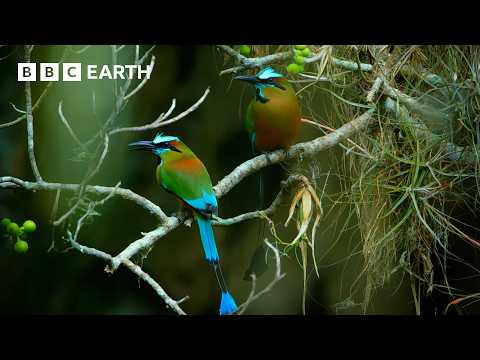
The Extraordinary Lives Of Birds | BBC Earth

The Blind Hunter Beneath The Namib Desert | 20 Years of Planet Earth II | BBC Earth

Earth's Greatest Animal Migrations | BBC Earth

Commitment in Action | Ghana's Turtle Conservation Project

Stunning Wildlife Encounters | BBC Earth

Yellow Crazy Ants 1–0 Red Crabs | 20 Years of Planet Earth II | BBC Earth

What Lies Below The North Atlantic Ocean? | 4K UHD | BBC Earth

Amazing Turtle Moments | BBC Earth

China's Hidden Wilderness | Double Episode - Wild China | BBC Earth

Blue Planet II in Stunning 4K Narrated By Sir David Attenborough | BBC Earth

The Secret Behaviours of Animal Packs | BBC Earth

The Bird With The World’s Longest Beak | 20 Years of Planet Earth II | BBC Earth

Extraordinary Bear Moments | BBC Earth

A Perfect Planet Narrated By Sir David Attenborough | 4K UHD | BBC Earth

Grizzly Bears Enjoy A Back Scratch! | 20 Years of Planet Earth II | BBC Earth

The Amazing Wildlife of Africa in Stunning 4K | BBC Earth

Unforgettable Lizard Moments | BBC Earth
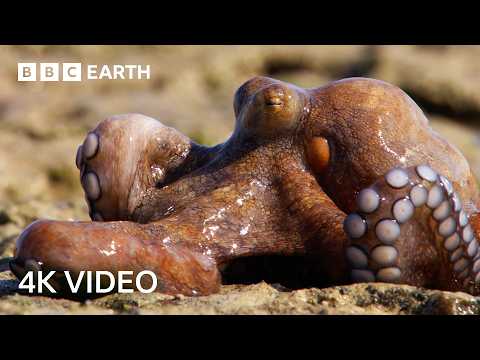
Nature's Wildest Hunters Narrated by Sir David Attenborough | 4K UHD | BBC Earth

Red Fox’s Impressive Snow Dive To Hunt Prey | 20 Years of Planet Earth II | BBC Earth

Awesome 4K Nature Scenes Narrated By Helena Bonham-Carter | BBC Earth

6 Fascinating Orca Moments | BBC Earth

Super Dad Glass Frog Defends His Eggs From Wasps | 20 Years of Planet Earth II | BBC Earth

The Fight For Survival With Sir David Attenborough | 4K UHD | BBC Earth
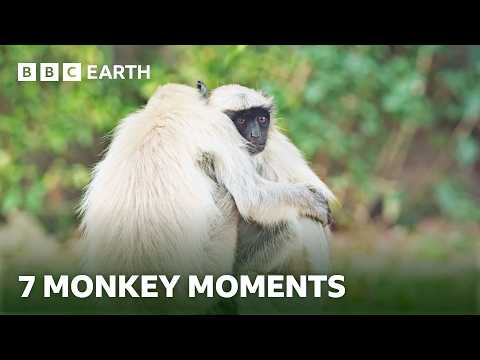
7 Remarkable Monkey Moments | BBC Earth
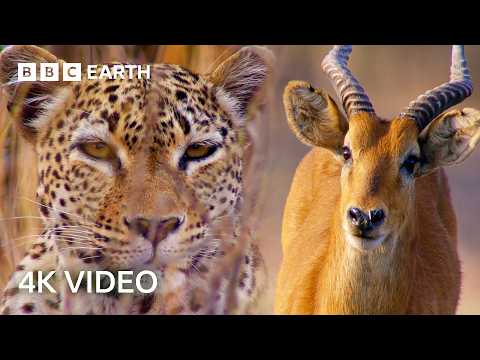
Nature’s Most Ingenious Hunters With Sir David Attenborough In 4K | BBC Earth

Baby Iguana Chased By Deadly Snakes | 20 Years of Planet Earth II | BBC Earth

4 Hours Of Remarkable Wildlife Narrated By David Attenborough | 4K UHD | BBC Earth

10 Incredible Otter Moments | BBC Earth

Two Hours Of Extraordinary Wildlife Scenes | BBC Earth

A Giant 5 Metre Anaconda Leads To Nature's Creepiest Discovery | Expedition Guyana | BBC Earth

Wildlife Of Japan & China In 4K | BBC Earth

7 Spectacular Shark Moments | BBC Earth

The Fascinating World Of Whales | BBC Earth

Stalking The World's Largest Tarantula | Expedition Guyana | BBC Earth

Breathtaking Ocean Wildlife In 4K | BBC Earth

10 Incredible Wolf Moments | BBC Earth

7 Unforgettable Lion Moments | BBC Earth

The Elusive Sabertooth Fish | Expedition Guyana | BBC Earth

Nature's Deadliest Duels | 4K UHD | BBC Earth

The Amazing Animal Kingdom Of Madagascar | BBC Earth

10 Incredible Cheetah Moments | BBC Earth

Steve Backshall Dives Into Crocodile Territory | Expedition Guyana | BBC Earth

Extremely Rare Jaguar Filmed On Camera Trap | Expedition Guyana | BBC Earth

You'll never look at a tennis player's racket arm the same way again 🎾 #Shorts #Wimbledon #Sports

Travel through 4 billion years in BBC Earth Science’s Evolution with Chris Packham 🌏 #Shorts #

Earth's Spectacular Island Wildlife | BBC Earth

Inside A Huge Colony Of Army Ants | Expedition Guyana | BBC Earth

Behind the lens with Dan O'Neill 🎥 #Shorts #Animals #Nature

How Is Football Helping Save Zambia’s Carnivores? | Kingdom | BBC Earth

When the training wheels come off... and somehow it actually works 🐯 #Shorts #Animals #Nature

"The Ultimate Animal For Hunting in the Dark" | Expedition Guyana | BBC Earth

Face to face with one of nature's most feared predators 🐅 #Shorts #Animals #Nature
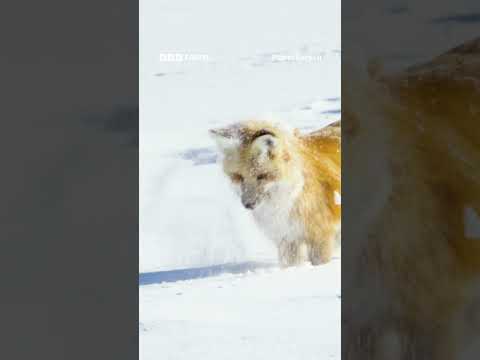
Red foxes rely on their extraordinary hearing to detect rodents moving beneath the snow 🦊 #Sho

Sloths are capable swimmers when they need to travel between patches of forest 🦥 🌞 #Shor

Gharial hatchlings explore the ancient Gandak River 🐊 #Shorts #Animals #Nature

10 Extraordinary Elephant Moments | BBC Earth

Stallions Battle for Dominance | 20 Years of Planet Earth | BBC Earth

Baby Iguana vs Racer Snakes | 20 Years of Planet Earth | BBC Earth

Uncovering the Secret Lives of Forest Elephants | BBC Earth

One Of The World’s Rarest Carnivores | Madagascar | BBC Earth

Earth's Most Unique Island Life | BBC Earth

Chameleon Fights Off Rival Male | BBC Earth

An EPIC Journey Through The Ganges | BBC Earth

A Chameleon’s Race Against Time | Madagascar | BBC Earth

Extraordinary Insect Emergence at Night | BBC Earth

The World's Most Amazing Frogs | BBC Earth

Lemur Defends Trees From Fruit Robbers | BBC Earth

Remarkable New Tiger Behaviours Caught on Camera | Tiger Island | BBC Earth

Tadpoles vs Wasps | BBC Earth

Uncovering How Nature Really Works | Compilation | BBC Earth

Ring-Tailed Lemurs Forage for Food | BBC Earth

A Journey Across Earth's Incredible Islands | BBC Earth

No One Has Ever Seen Tigers Do This Before | Tiger Island | BBC Earth

Travel to the Seven Continents of Our Incredible World | 4K UHD | BBC Earth

Lemurs Make Rock Climbing Look Easy | BBC Earth

Chameleons Battle for Treetop Territory | BBC Earth

Rare Encounters from the Wild | BBC Earth

How the Amur Leopard Survives Winter | 20 Years of Planet Earth | BBC Earth

Gliding Leaf Frogs Leap from Treetops to Breed | 20 Years of Planet Earth | BBC Earth

Unbelievable Moments From Nature - Narrated by David Attenborough | BBC Earth

The World of Bears - Giants of the Wild | BBC Earth

Young Elephant vs 30 Lions | 20 Years of Planet Earth | BBC Earth

How Do Kangaroos Survive Extreme Heat? | 20 Years of Planet Earth | BBC Earth

A sneak peek of Sir David Attenborough working on the narration for the upcoming BLUE PLANET III.

The Most Unique Creatures of our Hidden Forests | BBC Earth

The Strange World of Troglobites | 20 Years of Planet Earth | BBC Earth

David Attenborough at 100: A Special Birthday Message From King Charles III | BBC Earth

Hungry Caiman Searching for its Next Meal | 20 Years of Planet Earth | BBC Earth

Nature's Deadliest Animal Showdowns | 1 Hour | BBC Earth

100 Iconic Moments From Sir David Attenborough | BBC Earth

Golden Eagles vs Demoiselle Cranes | 20 Years of Planet Earth | BBC Earth

Arctic Fox vs Snow Geese | 20 Years of Planet Earth | BBC Earth

Attenborough's Extraordinary Gorilla Encounter | Making Life on Earth | BBC Earth

Breathtaking Moments from Planet Earth | 20 Years of Planet Earth | BBC Earth

Great Whites Hunt Cape Fur Seals | 20 Years of Planet Earth | BBC Earth

A Journey Through the World's Deserts | BBC Earth

The Biggest Insect Emergence on the Planet | 20 Years of Planet Earth | BBC Earth

Madagascar's Most Amazing Wildlife | BBC Earth

The Deadly Fish That Changes Colour to Hunt | 20 Years of Planet Earth | BBC Earth

Breathtaking Wildlife Worlds - Narrated by David Attenborough | BBC Earth
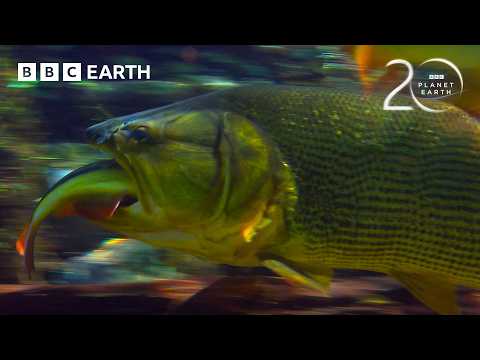
Piranhas Strip a Fish to the Bone | 20 Years of Planet Earth | BBC Earth

Navigating the Okavango Delta with Gordon Buchanan 🦁 #BigCats247 #Lions #Cheetahs #Leopards #Shorts

"It was one of the most privileged moments of my life." – David Attenborough #LifeOnEarth #Shorts

Night-time filming in the Okavango Delta 🐆 #BigCats247 #BigCats #Lions #Cheetahs #Leopards #Shorts

When you zoom in a little too much 👀 #DalmatianPelican #FreshwaterBird #BirdPhotography #Shorts

A Glimpse into the Lives of Otters | BBC Earth

The Unique Trick Dolphins Use to Hunt | 20 Years of Planet Earth | BBC Earth

Unbelievable Animal Moments from Planet Earth | 20 Years of Planet Earth | BBC Earth

Polar Bear Cubs Take First Steps | 20 Years of Planet Earth | BBC Earth

The Amazing Wildlife of India: The Ganges & Beyond | BBC Earth

The Challenges of Raising Penguin Chicks | 20 Years of Planet Earth | BBC Earth

Nature's Most Stunning Moments - Narrated by David Attenborough | BBC Earth

Extraordinary Bird of Paradise Courtship Dance | 20 Years of Planet Earth | BBC Earth

An Unfiltered Immersive Journey Through the Okavango Delta | 360º 4K Video | BBC Earth

How Snow Leopards Survive on the Roof of the World | BBC Earth

Nature's Most Impressive Predators | BBC Earth

Starving Wolf Hunts Caribou | 20 Years of Planet Earth | BBC Earth

Incredible Natural World Wonders - Narrated by Sir David Attenborough | BBC Earth

30 Minutes of Mischievous Monkeys Causing Mayhem | BBC Earth

Highly Venomous Sea Snakes Hunt in Huge Group | 20 Years of Planet Earth | BBC Earth

The Hidden Worlds of the South Pacific Islands | BBC Earth

Parasitic Cordyceps Take Over Insect's Body | 20 Years of Planet Earth | BBC Earth

1 Hour of Yellowstone Wildlife Moments | BBC Earth

1 Hour of Family Moments From the Animal Kingdom | BBC Earth

The Extraordinary Adaptations of a 500 Million Year Old Species | BBC Earth

1 Hour of Iconic Planet Earth Moments | 20 Years of Planet Earth | BBC Earth

🔴 LIVE: The Incredible Wildlife of Hidden Forests | BBC Earth

20 years of Planet Earth. The series that changed the way we see the world 🌎 💚 #DavidAttenborough

Is This The Ocean's 'Weirdest' Creature? | 20 Years of Planet Earth | BBC Earth

Africa's Most Intense Battles for Survival | BBC Earth

How Wildlife Documentaries are Made | Big Cats 24/7 | BBC Earth

10 Animal Behaviours Filmed for the First Time Ever | BBC Earth

Nature's Most Destructive Swarm | 20 Years of Planet Earth | BBC Earth

A day in the life of a wildlife filmmaker 💁♀️ 🎥 #BigCats247 #Lions #Cheetahs #Leopards #Shorts

Polar Bear Takes on Walrus Herd | 20 Years of Planet Earth | BBC Earth

Incredible Moments from Nature - Narrated by David Attenborough | BBC Earth

The World of Birds in Stunning 4K | 4K UHD | BBC Earth

The Most Powerful Eagle in the World | BBC Earth

Tracking the Elusive Giant Anteater in Guyana | BBC Earth

🔴 LIVE: The Wild Side of Our Planet | BBC Earth

1 Hour of Yellowstone's Breathtaking Beauty | BBC Earth

Tiny scroll break to appreciate nature's beauty 🦋 #Shorts #Wildlife

Did you know that the Cape sundew is a carnivorous plant that feeds on insects? 🌿 #Shorts #Nature

The World's Stealthiest Predators | Snow Leopards & Cheetahs | BBC Earth

Underwater therapy 🪼 💙 #Shorts #Sea

Why Did This Whale Turn up Dead in San Francisco? | BBC Earth

How Do Otters Insulate Themselves? | BBC Earth

🔴 LIVE: Dramatic Yellowstone Moments | BBC Earth

2 Hours of the Greatest Fights in the Animal Kingdom | BBC Earth

Revealing the Survival Secrets of Otters | BBC Earth

Love in the animal kingdom ❤️ #Shorts #Animals #Love

Nature's Greatest Love Stories | BBC Earth

Otter Pups Take Their First Swim | BBC Earth

A peacock's feathers in all their glory 🦚 💙 #Shorts #Animals #Wildlife

🔴 LIVE: A Journey Across Africa | BBC Earth

Breathtaking Moments from Nature - Narrated by David Attenborough | BBC Earth

A closer look at volcanic activity in Iceland 🌋 🇮🇸 #Iceland #Shorts #Nature

30 Minutes of Perfect Penguin Moments | BBC Earth

Himalayan Marmots Battle for Survival in Winter | BBC Earth

Nature's silent predator at work 🦉 #Shorts #Animals #Wildlife

The Secrets Behind the Swallow‑Tailed Kite's Perfect Flight | BBC Earth

Desert Wildlife: Extreme Heat Survivors | BBC Earth

Wild Mexico | Extraordinary Wildlife Encounters | BBC Earth

How Alligators Find Love: The Male Courtship Ritual Revealed | BBC Earth

Did you know that only birds of prey use talons to grab and carry prey? #Shorts #Animals #Wildlife

Eyes on the prize 👀 #Shorts #Animals #Wildlife

How Alligator Hatchlings Survive in the Wild | BBC Earth

The Animals with the Most Unique Mating Strategies | BBC Earth

A Journey Across Africa | BBC Earth

Why Having a Bath Can Save a Penguin's Life | BBC Earth

Blessing your feed with these vibrant birds 🩷 💛 💚 #Shorts #Animals #Wildlife

Tiny, quick and quietly ferocious 🤍 #Shorts #Animals #Wildlife

A Penguin Chick's Brave First Steps | BBC Earth

3 Hours of Epic Nature Footage in 4K | 4K UHD | BBC Earth

The Amazing World of Cold‑Blooded Animals | BBC Earth

The Longest Penguin Migration on Earth | BBC Earth

Beautiful moments in the wild 💚 🦒 #Shorts #Animals

🔴 LIVE: Amazing Animals of Africa | BBC Earth

Love language, bird edition 🪶 #Shorts #Animals

The Incredible Wildlife of India | BBC Earth

Can This Zebra See Off His Competition? | Narrated by David Attenborough | Africa | BBC Earth

30 Minutes of Dramatic Yellowstone Moments | BBC Earth

Can These Ants Survive the Scorching Desert Heat? | Narrated by David Attenborough | BBC Earth

Hidden in plain sight 👀 #Shorts #Animals #Wildlife

The Wild Side of Our Planet | Narrated by David Attenborough | BBC Earth

Stealthy Crocodiles Hunt for Fish | Narrated by David Attenborough | Africa | BBC Earth

A closer look at this solitary cat 🐾 #Shorts #Animals #Wildlife

One of nature's rarest sights 🤍 🐧 #Shorts #Animals #Wildlife

The Secret Life of Foxes | BBC Earth

How Penguins Adapt to Rising Temperatures | Narrated by David Attenborough | Africa | BBC Earth

Spectacular Butterfly Mountaintop Gathering | Narrated by David Attenborough | Africa | BBC Earth

Starting the year with something special ❤️ #Shorts #Nature

Walking into 2026 ❄️ ✨ #Shorts #Animals

2 Hours of Captivating Nature Footage Narrated by David Attenborough | BBC Earth

A Race Against Time | Narrated by David Attenborough | Africa | BBC Earth

A fluffy explorer 🩶 #Shorts #Animals #Owl #Wildlife

Disaster Strikes as Wild Dog Den Collapses Trapping Pups | Kingdom | BBC Earth

These highly social animals can recognise each other by their calls, just like humans do! ❤️ #Shorts

Behind the Scenes: Challenges of Filming Across Dry and Wet Seasons | 4K UHD | Kingdom | BBC Earth

1 Hour of Amazing Animal Moments Narrated by David Attenborough | BBC Earth

The Remarkable Recovery of Hokkaido's Red-Crowned Cranes | 4K UHD | Wild Japan | BBC Earth

Baby Ostriches try to Survive Desert Heat | Narrated by David Attenborough | Africa | BBC Earth

Thank you for coming to my TED talk 🎤 #Wildlife #Animals #Shorts

1 Hour of Nature's Deadliest Animal Showdowns | BBC Earth

🔴 LIVE: The World's Wildest Animals | BBC Earth

45 seconds of baby baboon cuteness 🐒 #Wildlife #Animals #Shorts

Darkness Reveals New Animal Behaviours | 4K UHD | Kingdom | BBC Earth

A puffin's beak changes colour throughout the year 🧡 #Animals #Wildlife #Shorts

A Fight for Survival | Natural World: The Crossing | BBC Earth

The World's Rarest and Most Isolated Fish | Narrated by David Attenborough | Africa | BBC Earth

3 Hours of Life Beneath the Waves | BBC Earth

Meet Flint: The Three-Legged Wild Dog | Kingdom | BBC Earth

Incredibly rare elephant twins 🐘 🐘 #Shorts #Animals

Pallas’s cats are distant relatives of leopards 🩶 #Shorts #Animals

1 Hour of Magnificent Moments Narrated by Sir David Attenborough | BBC Earth

Saving a Lion from a Deadly Snare | 4K UHD | Kingdom | BBC Earth

Crocodiles vs Gazelles | Natural World: The Crossing | BBC Earth

A spiny seahorse 💛 #SpinySeahorse #OceanFish #IndoPacific #Shorts

3 Hours of Extraordinary Animal Moments | BBC Earth

Lion Cubs Cross Croc-Infested Waters | Kingdom | BBC Earth

Conflict Between Elephants and Village Farmers | 4K UHD | Kingdom | BBC Earth

The Remarkable Wildlife of Yellowstone | BBC Earth

Brutal Giraffe Showdown | Narrated by David Attenborough | Africa | BBC Earth

Top 10 BBC Earth Moments of 2025 | BBC Earth

Surprising Visitors of a Lion's Feast | Narrated by David Attenborough | Africa | BBC Earth

2 Hours of Stunning 4K Nature Scenes | 4K UHD | BBC Earth

Film Crew Track Down Hyena Clan | 4K UHD | Kingdom | BBC Earth

The beginning of a new journey 🐢 💚 #Shorts #Animals #Wildlife

Nature's precision diver 💙 #Shorts #Animals #Wildlife

Flamingos Create one of Earth's Greatest Wildlife Spectacles | Africa | BBC Earth

Animal Family Survival Stories | BBC Earth

Majestic fallow deer in the wild 🦌 ❄️ #Shorts #Animals #Wildlife

A Crowned Eagle's Hunt for Bats | Narrated by David Attenborough | Africa | BBC Earth

Natural World: Snow Animals | FULL EPISODE | BBC Earth

Floating through life, together 🦦 💙 #Shorts #Animals #Wildlife

Winter in the Wild | A Winter Wildlife Wonderland Part 2 | BBC Earth

Clever Chimp Finds Hidden Honey | Narrated by David Attenborough | Africa | BBC Earth

Natural World: Meet The Bears | FULL EPISODE | BBC Earth

Winter roommates ❄️ 🤍 #Shorts #Animals #Winter

Amazing Animals of Africa | BBC Earth

The Mating Ritual of Frogs | Narrated by David Attenborough | Africa | BBC Earth

Current mood until further notice 🦭 📆 #Shorts #Animals

Elephant Bulls Battle It Out | Narrated by David Attenborough | Africa | BBC Earth

Predators vs Prey in the Most Extreme Environments | BBC Earth

Obsessed? An understatement. #publiclands #wilderness #wildplaces

We Are Closer Than You Think

Halloween at Defenders #halloween #birdtrend

Top 10 Creepiest Animals in North America #wildlife #halloween #top10

Fighting Extinction

Umbrella Species

Nature Break: Brown Bear

When a wildlife conservationist wins DWTS... #DWTS #robertirwin

The Art of Noticing #fall #wildlife #outside

We Love Iconic Animals #wildlife #conservation

Hunkering Down #winter #wildlife

Q&A with Jeff Corwin

Day in the Life: Pacific Walrus #alaska #marinemammals

Nature Break: #wolf in Arctic National Wildlife Refuge #wildlife

Yellowstone wolves visit elk carcass

Day in the Life of a Brown Bear #wildlife #alaska #bearcub

Jane Goodall's Legacy

A World Without Wildlife #conservation

Brooke Carter Meets the Giraffes of the San Antonio Zoo | Wild Wonders with Brooke | EarthX

You Cheeky Bugger | Aussie Snake Wranglers | EarthX

Future Environmental Law | Part 1 | Law & Nature | EarthX
 on Twitter
