




Special Collections:
Life on Earth

BBC Earth offers 50 years of captivating natural history. Celebrate 20 years of Planet Earth and explore the dramatic, rare, and exclusive stories of our world, from unique cave-dwelling troglobites to incredible wildlife. Learn more: bbcearth.com/shows/planet-earth.
Subscribe for more amazing content and get the latest news via our newsletter: bit.ly/BBCEarthSub | bbcearth.com/newsletter. Watch more BBC Earth, including Best of BBC Earth, Planet Earth III, and Frozen Planet II.
This is a commercial page from BBC Studios. For service information and feedback, visit bbcworldwide.com/vod-feedback-contact-details.aspx.

A special delivery honored Sir David Attenborough's 100th birthday. King Charles's handwritten message was relayed by British nature stars for a celebration at the Royal Albert Hall.
Welcome to BBC Earth, home to 50 years of entertaining and thought-provoking natural history content. Explore dramatic, rare, and exclusive stories from around the world.
Subscribe for updates: http://bit.ly/BBCEarthSub. Sign up for our newsletter: https://www.bbcearth.com/newsletter. Watch more BBC Earth content, including "Best of BBC Earth": https://bit.ly/BestOfBBCEarth. For service information, visit: http://bbcworldwide.com/vod-feedback--contact-details.aspx

Welcome to BBC Earth, your destination for 50 years of breathtaking natural history content. Celebrate 20 years of Planet Earth and explore its legacy of dramatic stories and natural wonders. Find out more about the anniversary and other shows on the official Planet Earth webpage.
Subscribe to BBC Earth for the latest updates, or sign up for our newsletter for exclusives. Discover more captivating content, including Planet Earth III and Frozen Planet II, and provide feedback via our contact page. This is a commercial page from BBC Studios.

Explore the animal kingdom's deadliest showdowns, featuring underdogs defying odds and families fighting for survival. BBC Earth presents 50 years of dramatic, rare, and exclusive natural history content, revealing the world's amazing stories and natural wonders.
Subscribe to BBC Earth for captivating wildlife documentaries: http://bit.ly/BBCEarthSub. Sign up for our newsletter to get the latest updates: https://www.bbcearth.com/newsletter. Discover more exciting content, including Best of BBC Earth and Best Animal Fights.
This is a commercial page from BBC Studios. For service information and feedback, visit: http://bbcworldwide.com/vod-feedback--contact-details.aspx

Alaska has confirmed a plan to kill an unlimited number of bears across 40,000 square miles, including near national park borders. Game agents will shoot bears from helicopters. This controversial initiative aims to boost a struggling caribou herd, despite a lack of scientific evidence that bear culling will be effective or address the caribou's underlying issues.
The Center for Biological Diversity has sued to stop this cruel and illegal plan. Your support is vital to help protect Alaska’s bears.

Florida panthers, with likely fewer than 200 remaining, are confined to shrinking habitats in southwest Florida. Development isolates them, forcing dangerous crossings and increasing threats to their survival.
A new large-scale project now threatens nearly 5,000 more acres, promising more roads, vehicle strikes, and deadly conflicts over diminishing space.
The Center for Biological Diversity and partners are challenging federal approvals in court to stop this destruction. Please support our fight to protect these panthers before it's too late.
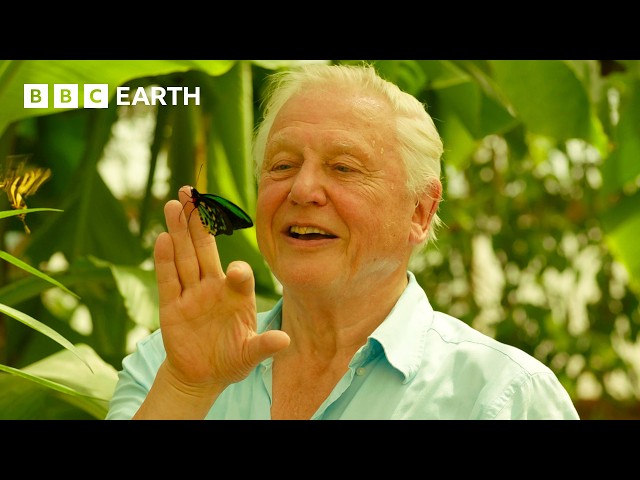
Celebrate Sir David Attenborough's 100th birthday with 100 iconic wildlife scenes. Subscribe to BBC Earth for captivating natural history content: Subscribe here. Sign up for our newsletter to receive the latest news and exclusives: Sign up here.
BBC Earth offers 50 years of entertaining and thought-provoking natural history, showcasing the world's beauty and wonder. Explore more dramatic wildlife documentaries, including Best of BBC Earth, Planet Earth III, Frozen Planet II, and Blue Planet II in 4K.
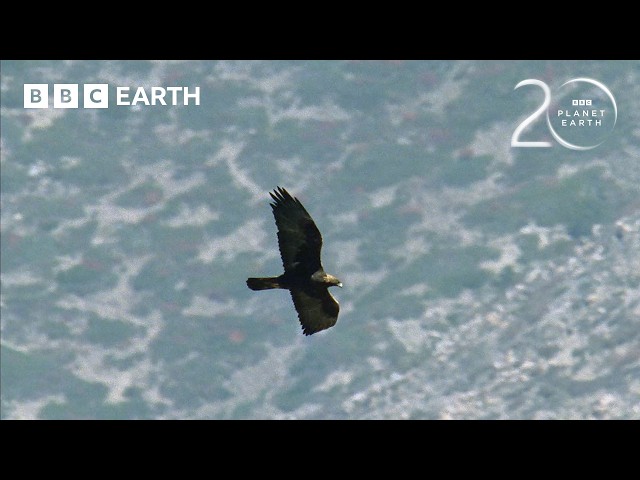
Celebrate 20 years of Planet Earth! Discover the incredible stories of our world, from demoiselle cranes braving the perilous Himalayas to 50 years of dramatic natural history content from BBC Earth. Explore beauty, wonder, and exclusive programming.
Find out more about Planet Earth at bbcearth.com/shows/planet-earth. Subscribe for more amazing content at bit.ly/BBCEarthSub, or sign up for our newsletter at bbcearth.com/newsletter. Watch more from BBC Earth: Best of BBC Earth.

Celebrate 20 years of Planet Earth! BBC Earth offers 50 years of dramatic, rare, and thought-provoking natural history content, exploring the world's beauty and wonder. Discover more about Planet Earth and other shows on our website: bbcearth.com/shows/planet-earth.
Subscribe for more incredible content: bit.ly/BBCEarthSub. Sign up for our newsletter: bbcearth.com/newsletter. Watch series like Best of BBC Earth: bit.ly/BestOfBBCEarth and Planet Earth III: bit.ly/PlanetEarthIIIPlaylist. This is a commercial page from BBC Studios. For service information and feedback: bbcworldwide.com/vod-feedback--contact-details.aspx.

Watch the replay of our virtual conversation with Dr. Jessica Hernandez, an Indigenous scientist, climate justice leader, and best-selling author. Her work, including "Fresh Banana Leaves," transforms environmentalism by integrating Indigenous science, Traditional Ecological Knowledge, and Western frameworks to foster climate justice and ecological healing. In this session, Dr. Hernandez explores Indigenous approaches to resilience, relationality, and decolonizing environmental practice, offering powerful insights for creating more just, life-affirming systems within the biomimicry community and beyond.
Learn more about biomimicry: [biomimicry.org](https://biomimicry.org/), [asknature.org](https://asknature.org/), [biomimicry.org/community](https://biomimicry.org/community/). Connect with us on social media: [Instagram](https://www.instagram.com/biomimicryinstitute/), [LinkedIn](https://www.linkedin.com/company/biomimicryinstitute/).

David Attenborough reflects on a truly special gorilla encounter in "Making Life on Earth: Attenborough’s Greatest Adventure." This remarkable series, available on iPlayer from May 3, delves into the story behind one of the BBC's most famous wildlife blockbusters, featuring exclusive interviews with Attenborough and his original production team.
Discover 50 years of captivating natural history content from BBC Earth. For more exciting nature stories, subscribe here or sign up for their newsletter.

The Endangered Species Act (ESA) secured a major victory last week as growing opposition halted the House of Representatives' effort to roll back this vital wildlife protection law. As Executive Director Kierán Suckling notes, the ESA is one of the world's most effective conservation laws, having prevented 99% of protected species, including bald eagles and gray wolves, from extinction.
This triumph benefits countless species like whales, sea turtles, and monarch butterflies, underscoring the power of collective voices. We extend our deepest gratitude to all Center supporters whose advocacy made this win for the wild possible.

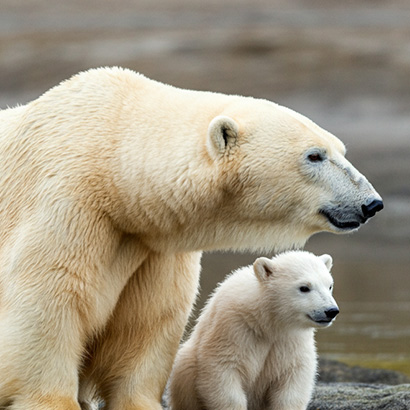
Celebrate 20 years of Planet Earth! Relive iconic moments, from a polar bear facing a walrus herd to a vast swarm of desert locusts. BBC Earth brings you 50 years of dramatic, rare, and exclusive natural history content.
Find out more about the 20th anniversary: https://www.bbcearth.com/shows/planet-earth. Subscribe for more amazing stories: http://bit.ly/BBCEarthSub. Sign up for our newsletter: https://www.bbcearth.com/newsletter. Explore playlists like Best of BBC Earth: https://bit.ly/BestOfBBCEarth and Planet Earth III: https://bit.ly/PlanetEarthIIIPlaylist.
For service information and feedback: http://bbcworldwide.com/vod-feedback--contact-details.aspx.

At dawn, Cape fur seals leave their colony to fish, crossing a narrow channel patrolled by the ocean's apex predator, the great white shark. Witness this natural drama and celebrate 20 years of Planet Earth.
Explore the wonders of nature with BBC Earth, offering 50 years of dramatic, rare, and exclusive natural history content. Find out more about Planet Earth's 20th anniversary: bbcearth.com/shows/planet-earth. Subscribe for more content: bit.ly/BBCEarthSub, or sign up for our newsletter: bbcearth.com/newsletter.
This is a commercial page from BBC Studios. For service information and feedback, visit: bbcworldwide.com/vod-feedback--contact-details.aspx.
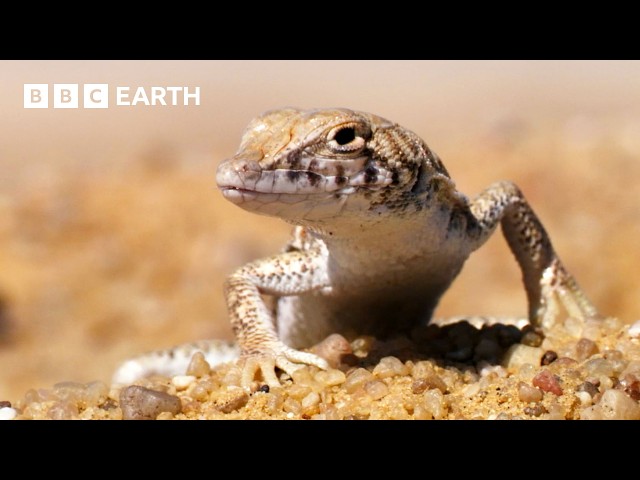
Join us for an hour of incredible desert wildlife, from heat-tolerant ants to brutal giraffe showdowns. Welcome to BBC Earth, your home for 50 years of dramatic, rare, and exclusive natural history content. We bring you amazing stories, beauty, and natural wonder.
Subscribe for more wildlife documentaries: http://bit.ly/BBCEarthSub. Sign up for our newsletter for the latest news and exclusives: https://www.bbcearth.com/newsletter. Explore additional content like "Planet Earth III" and "Blue Planet II in 4K." This is a commercial page from BBC Studios; for service information and feedback, visit http://bbcworldwide.com/vod-feedback--contact-details.aspx.

Celebrate 20 years of Planet Earth! Discover the wonders of our world and explore 50 years of captivating natural history content from BBC Earth. Find out more about Planet Earth and other shows on our website: bbcearth.com/shows/planet-earth.
Subscribe to BBC Earth for more amazing stories: bit.ly/BBCEarthSub. Sign up for our newsletter to receive the latest updates and exclusives: bbcearth.com/newsletter. You can also explore more content like Planet Earth III, Frozen Planet II, and Blue Planet II in 4K.
This is a commercial page from BBC Studios. For service information and feedback, visit: bbcworldwide.com/vod-feedback--contact-details.aspx.

Experience the spectacular wildlife of Madagascar, from battling chameleons to lemurs seeking shelter. BBC Earth offers 50 years of dramatic, rare, and exclusive natural history content, showcasing the world's beauty and wonder.
Subscribe to BBC Earth for more amazing stories: http://bit.ly/BBCEarthSub. Sign up for our newsletter: https://www.bbcearth.com/newsletter. Explore additional content like 'Best of BBC Earth' 🌍, 'Planet Earth III' 🌍, and 'Frozen Planet II' ❄️.
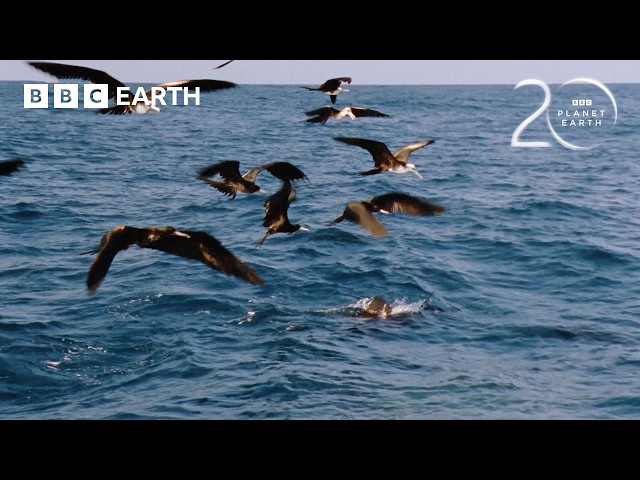
Sailfish demonstrate remarkable hunting efficiency, using minimal energy and changing color to confuse prey. Celebrate 20 years of Planet Earth and explore more incredible natural wonders on the BBC Earth webpage.
Welcome to BBC Earth, your destination for 50 years of entertaining and thought-provoking natural history content. Discover dramatic, rare, and exclusive stories from our amazing world. Subscribe, sign up for our newsletter, and watch captivating series like Planet Earth III and Blue Planet II in 4K. For more, explore our playlists including Best of BBC Earth and Frozen Planet II.
This is a commercial page from BBC Studios. For service information and feedback, visit our contact details page.

Watch three hours of wonderful wildlife moments narrated by Sir David Attenborough, from a chameleon's live birth to an ant's ultimate test of survival. BBC Earth offers 50 years of entertaining, thought-provoking natural history content, showcasing the world's dramatic, rare, and exclusive natural wonders.
Subscribe to BBC Earth for more incredible documentaries: http://bit.ly/BBCEarthSub. Sign up for our newsletter to receive the latest news and exclusives: https://www.bbcearth.com/newsletter. Explore more content, including "Planet Earth III" and "Blue Planet II in 4K."
This is a commercial page from BBC Studios. For service information and feedback, please visit: http://bbcworldwide.com/vod-feedback--contact-details.aspx.
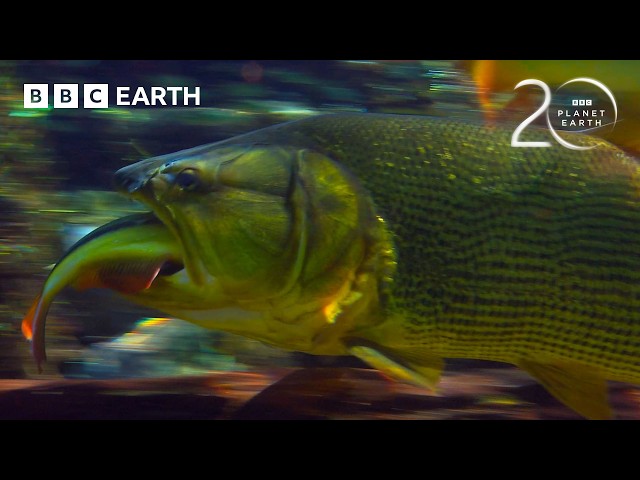
Piranhas, alongside dorado, lie in wait for injured fish. Celebrate 20 years of Planet Earth by exploring its legacy. Find out more and subscribe to BBC Earth for exclusive content and updates: bbcearth.com/shows/planet-earth | bit.ly/BBCEarthSub | bbcearth.com/newsletter.
Discover 50 years of dramatic natural history, from the Best of BBC Earth bit.ly/BestOfBBCEarth to Planet Earth III bit.ly/PlanetEarthIIIPlaylist and Blue Planet II in 4K bit.ly/BluePlanetII4kPlaylist. This is a commercial page from BBC Studios. For service information: bbcworldwide.com/vod-feedback--contact-details.aspx.
Environmental Scientist and Advocate
What EarthSayers stands for
Discover Diverse Voices on EarthSayers
Unlike algorithm-driven platforms that push you into a content bubble, we ensure you hear a variety of perspectives from scientists, activists, Indigenous leaders, business innovators, and everyday citizens working toward sustainability.
EarthSayers CINEMA
Watch, learn and lead—sustainability starts with you.
How to Live on Earth | Feature Documentary | Presented by Benedict Cumberbatch
What if the solutions to building a better future already exist? How to Live on Earth is an ambitious documentary that explores how humanity can create a thriving future by collaborating with nature. Presented by Benedict Cumberbatch, the film reveals the potential of teaming up with nature to address our greatest challenges.
Heartwarming and energizing, it offers a hopeful vision for a future where both nature and humanity can thrive. How to Live on Earth is produced by Open Planet Studios in association with Villars Institute Foundation and Silvania. Join the conversation by downloading film assets and sharing your reaction at howtoliveonearth.net/social-toolkit. Explore educational resources from the Villars Institute at YouTube.


